Jeju Island K-Drama Filming Locations: A Real Travel Guide to Tangerines and Samdal-ri Spots

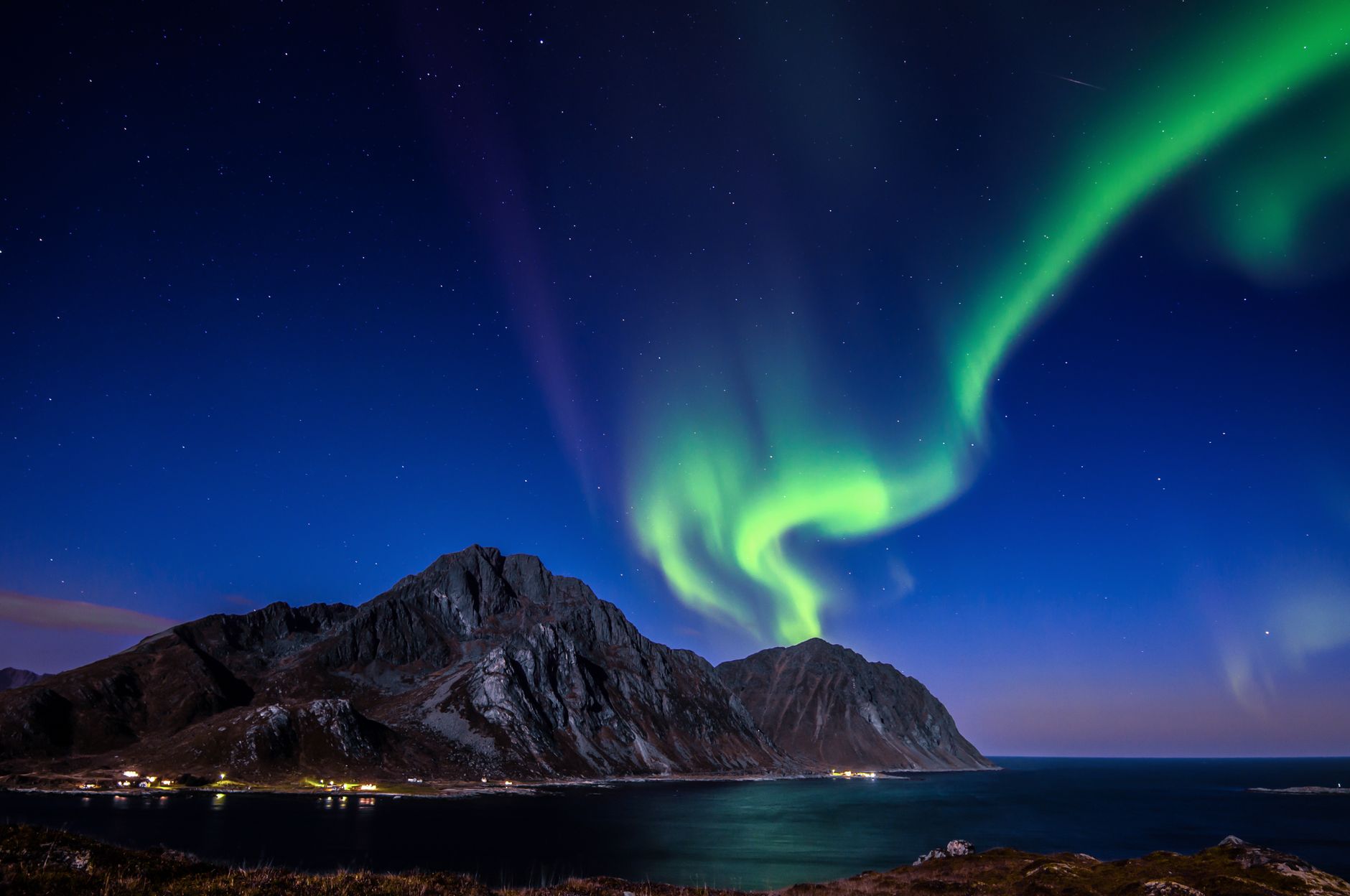
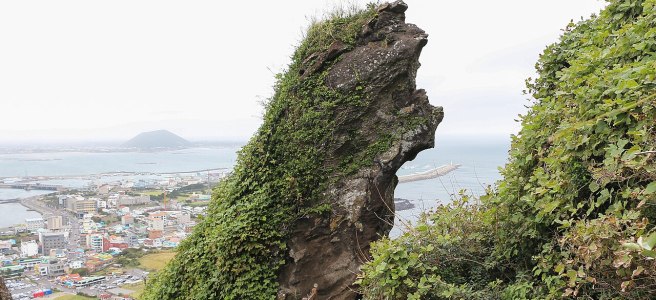
Seongsan Ilchulbong volcanic tuff cone (Sunrise Peak), Jeju Island, featured in When Life Gives You Tangerines

Jeju Island K-drama filming locations have quietly turned South Korea’s volcanic island into one giant open-air set, and two very different Netflix hits are the reason why. When Life Gives You Tangerines, TIME’s pick for Best K-Drama of 2025, and Welcome to Samdal-ri, the Ji Chang-wook and Shin Hye-sun romance that made small-town Jeju look irresistible, were both filmed almost entirely on real Jeju locations rather than studio sets. That means fans can retrace nearly every emotional scene in person. Here’s exactly where to go, what each spot looked like on screen, and how to fit them into one real Jeju itinerary.

Why Jeju Island Keeps Stealing the Show in K-Dramas

Jeju has been a magnet for Korean film and TV productions for decades, from Crash Landing on You to Our Blues, thanks to a landscape that barely looks real: black lava-rock coastlines, volcanic tuff cones, and canola and buckwheat fields that change color with the seasons. When Life Gives You Tangerines leans into that raw coastal beauty to tell a multi-generational love story starting in the 1950s, while Welcome to Samdal-ri uses Jeju’s small fishing villages as the literal hometown its heroine can’t stay away from. Both shows treat the island less like a backdrop and more like a main character, which is exactly why so many scenes were shot on real, visitable locations instead of a studio lot.

Seongsan Ilchulbong: The Sunrise Peak From When Life Gives You Tangerines

Seongsan Ilchulbong, a UNESCO World Heritage-listed volcanic tuff cone on Jeju’s eastern coast, is where the When Life Gives You Tangerines filming trail traditionally starts, since it’s one of the most recognizable single images of the show’s Jeju setting. Nicknamed Sunrise Peak, the tuff cone rises 182 meters straight out of the sea and takes about 20 to 30 minutes to climb via a steep staircase trail. Entry costs roughly 5,000 KRW for adults (about $4 USD), though arriving before the ticket booth opens around 7 AM often gets you in for free. At the base, you can also catch a free haenyeo (traditional woman diver) demonstration, a piece of real Jeju culture the drama itself pays tribute to throughout its story.

Gimnyeong Beach: Where the Haenyeo Divers Gather

Gimnyeong Beach, on Jeju’s northeast coast in Gujwa-eup, is where young Ae-sun and the haenyeo divers gather in early episodes of When Life Gives You Tangerines, and it’s easy to see why the crew chose it: the water is a striking turquoise over pale sand, framed by black volcanic rock. The beach sits along Jeju Olle Trail Route 20, a scenic coastal walking path, so it’s easy to combine a visit here with a longer stroll past nearby Pyeongdae-ri’s quieter coves. It’s one of the more low-key stops on this list too, free to visit, rarely crowded outside peak summer months, and a good place to just sit and watch the water for a while.
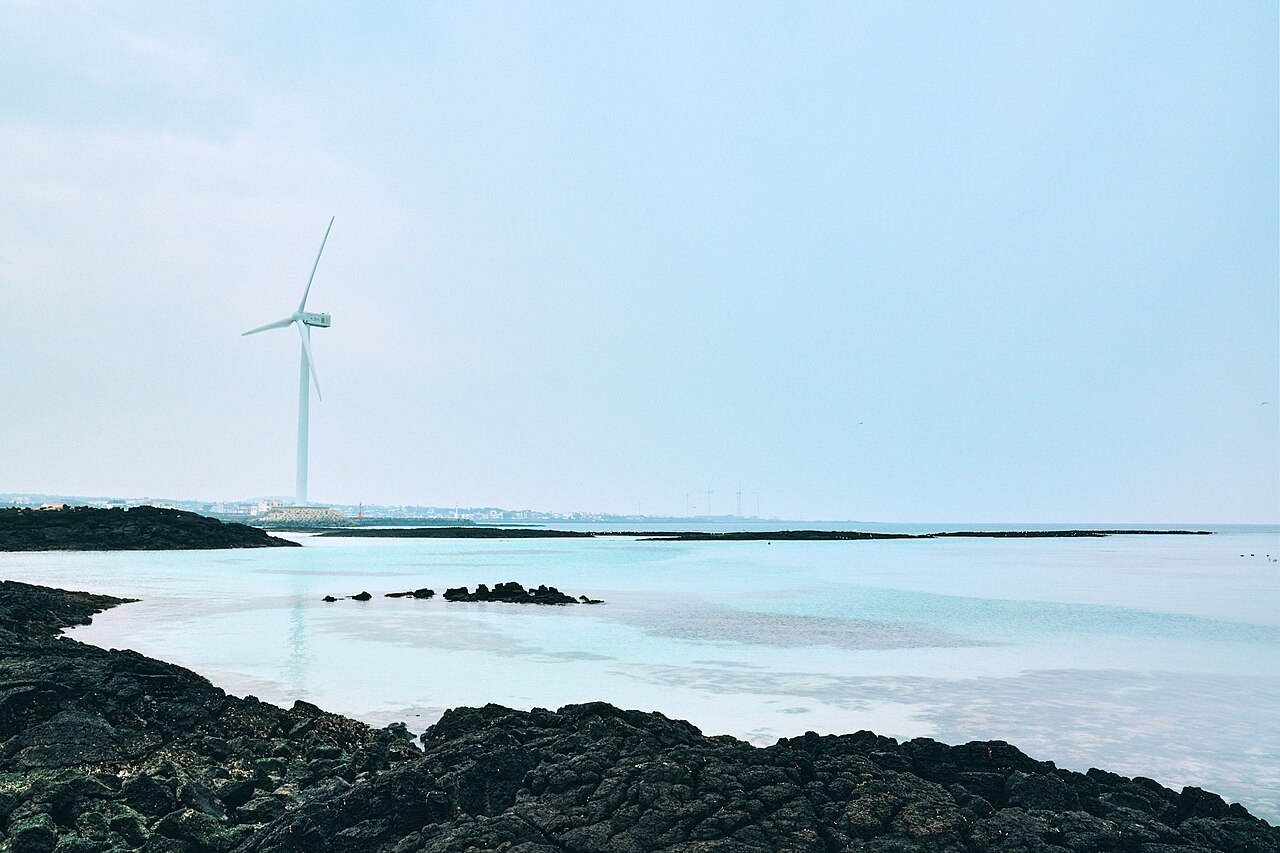
Jeju Olle Trail Route 20 coastal path passing Gimnyeong Beach, Jeju Island
Photo: Jeju Olle Foundation / Wikimedia Commons (CC BY-SA 4.0)

Seopjikoji: The Cinematic Cape From When Life Gives You Tangerines

A short drive south of Seongsan Ilchulbong, Seopjikoji is a dramatic grassy cape jutting into the sea, capped with a red-and-white lighthouse that’s become one of the most photographed spots on the island. It’s where some of the show’s most visually striking walk-and-talk scenes were filmed, and it’s easy to understand why directors keep coming back to it. Few places on Jeju combine cliffside ocean views, seasonal wildflower fields, and a lighthouse this photogenic in one location. Give yourself at least 30 to 45 minutes to walk the full loop out to the lighthouse and back.
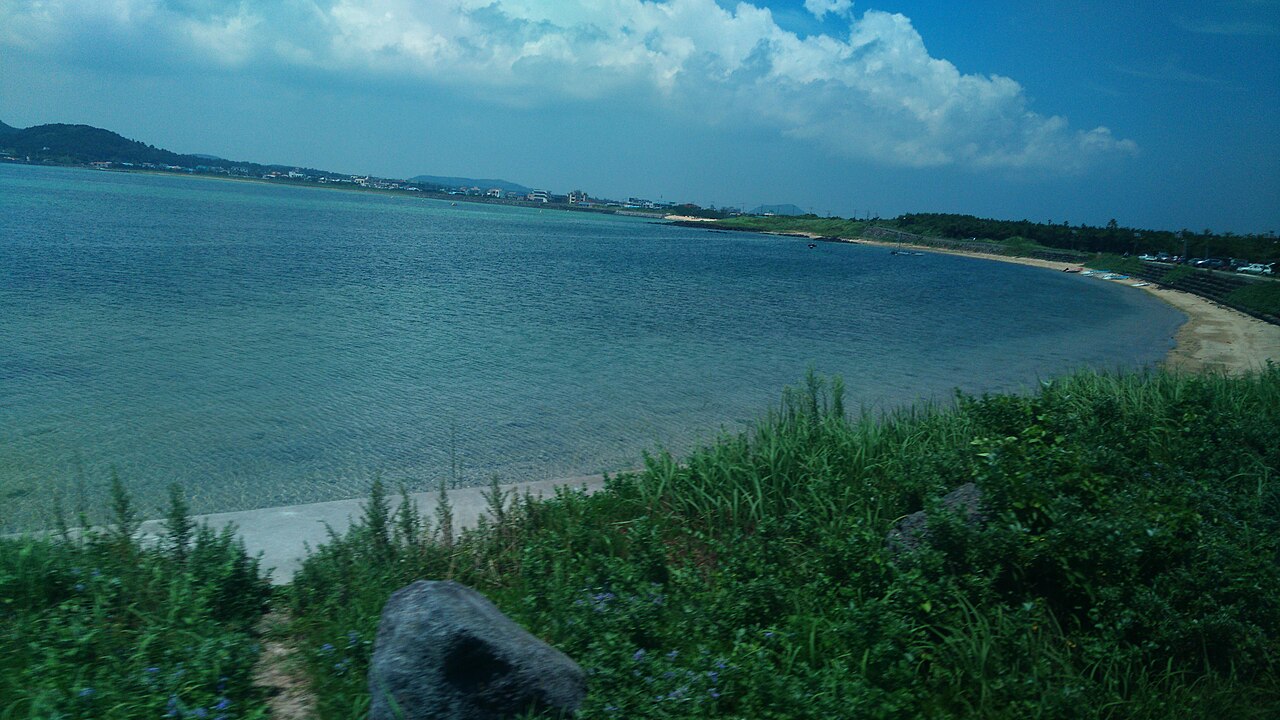
Seopjikoji coastal cape road in Seongsan-eup, Jeju Island
Photo: song songroov / Wikimedia Commons (CC BY 3.0)

Ojo Port: Home of Samdal-ri’s “Lucky Convenience Store”

Ojo Port, a small working harbor in Seongsan-eup, is where Welcome to Samdal-ri built its Samdal-ri bus stop and Lucky Convenience Store sets, and unlike a lot of drama sets, the bus stop was never torn down, so it’s still standing for fans to photograph. The port itself is a quiet, unglamorous fishing harbor, which is exactly the point: it’s meant to feel like an ordinary hometown, not a tourist attraction, and that authenticity is a big part of why the show resonated. From here you also get a clear view across the water to Seongsan Ilchulbong, so it pairs naturally with a Sunrise Peak visit earlier in the day.
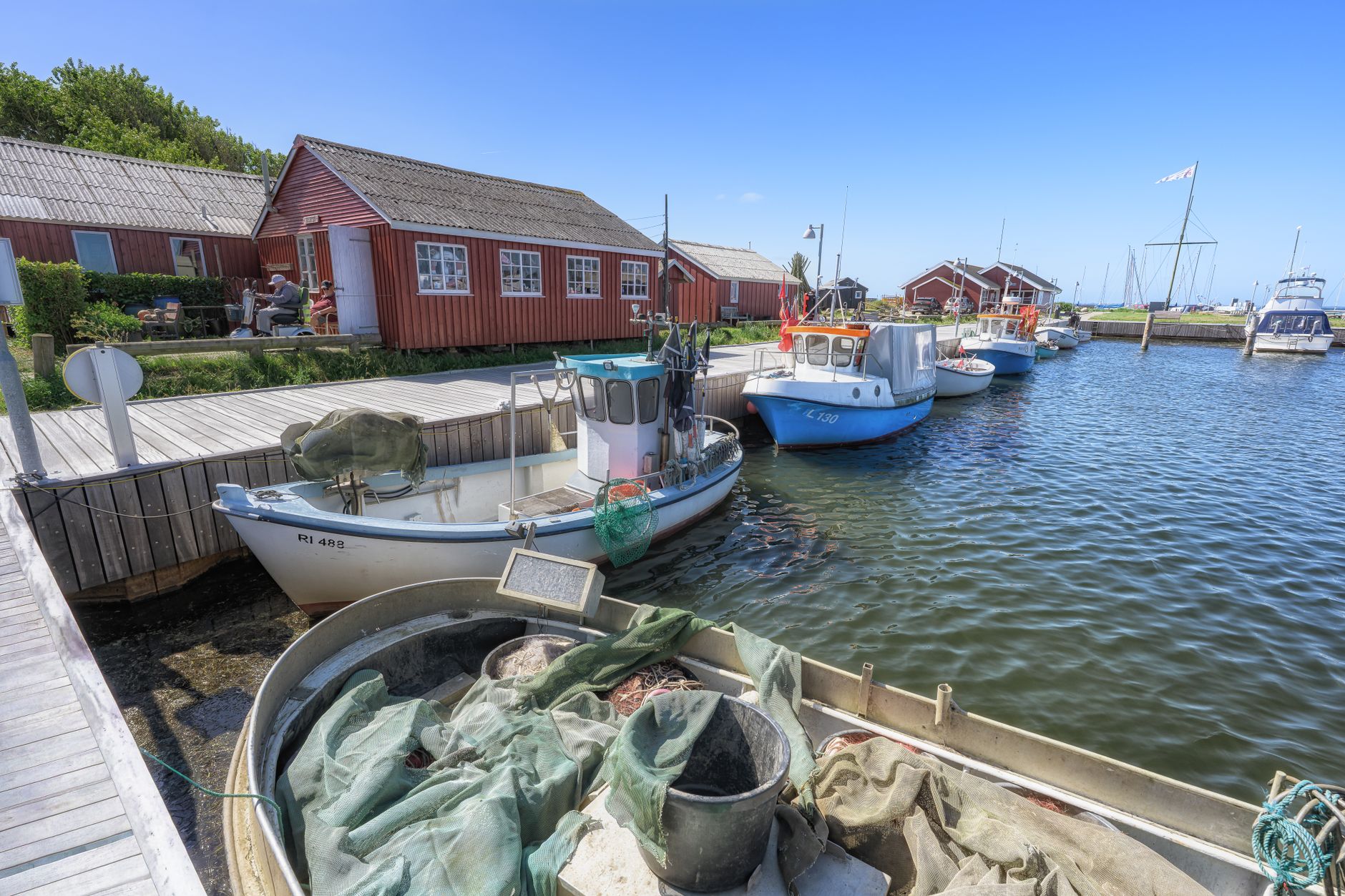
Small fishing harbor with boats, similar to Ojo Port on Jeju Island
Photo by Adriaan Westra on Pexels.com

Sinchang Windmill Coastal Road: Samdal and Yong-pil’s Sunset Walk

On the opposite side of the island in Hangyeong-myeon, the Sinchang Windmill Coastal Road lines up a row of wind turbines against the emerald sea, and it’s where some of Welcome to Samdal-ri’s most romantic coastal-walk scenes were shot. Locals and fans both recommend visiting about an hour before sunset, when the light turns golden and the turbines catch the glow, the same magical lighting the show’s own scenes are known for. It’s a working road rather than a formal park, so it’s free to visit any time and works well as a final stop before dinner if you’re driving the island’s west coast.
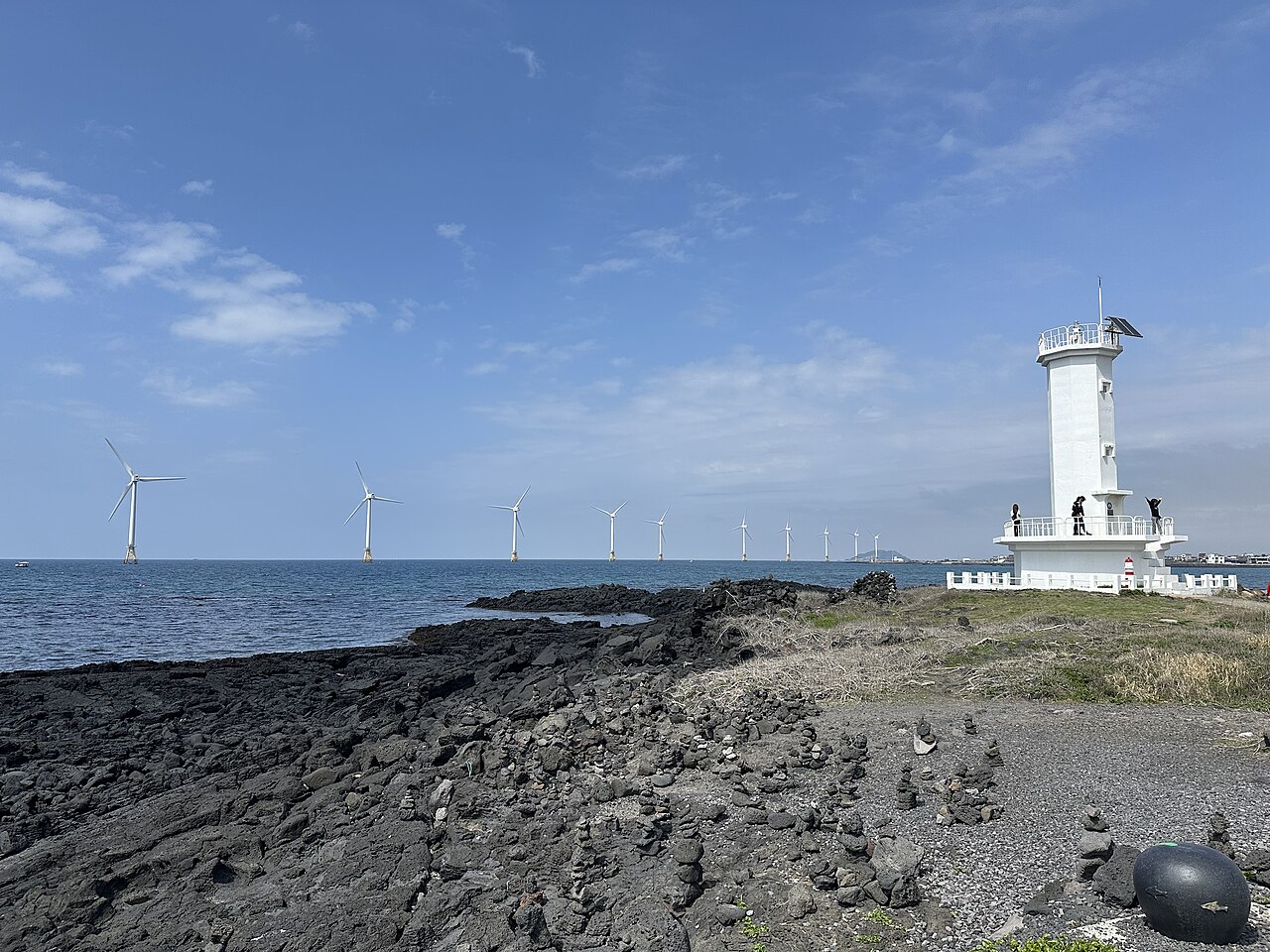
Sinchang Windmill Coastal Road with wind turbines along the sea, Jeju Island
Photo: Grapesurgeon / Wikimedia Commons (CC BY-SA 4.0)

Jeju-mok Government Office: A Joseon-Era Time Capsule

Back in Jeju City, the Jeju-mok Government Office is a meticulously restored Joseon-era administrative complex that appears in Episode 8 of When Life Gives You Tangerines, as the spot where young Ae-sun and Gwan-sik once sat writing poetry together, and where an older Ae-sun later returns to reminisce. Originally the seat of Jeju’s local government for centuries, the complex today functions as a small open-air museum of traditional Korean architecture, with restored halls and gates you can wander through at your own pace. It’s centrally located and inexpensive to enter, making it an easy add-on to a day of exploring Jeju City itself.
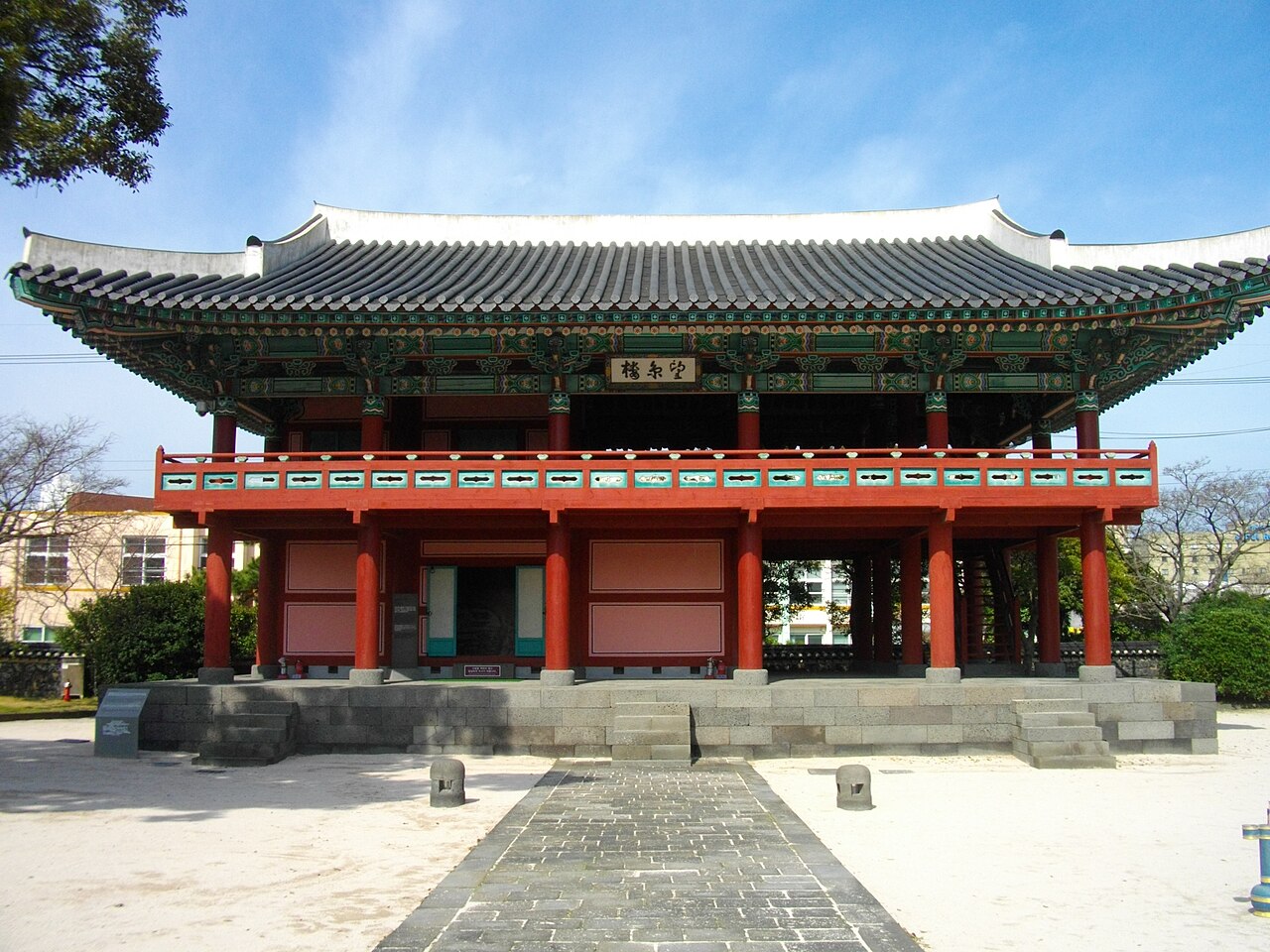
Jeju-mok Government Office restored Joseon-era administrative complex, Jeju City
Photo: Abasaa / Wikimedia Commons (Public domain)

Frequently Asked Questions About Jeju’s K-Drama Filming Locations

Are these Jeju K-drama filming locations free to visit?

Most of them are. Coastal roads, beaches, ports, and the Sinchang Windmill Coastal Road cost nothing to visit. Seongsan Ilchulbong and the Jeju-mok Government Office both charge a small entrance fee, usually in the 2,000 to 5,000 KRW range, which is minor compared to most paid attractions.

Do I need to rent a car to see them?

A car makes this trip far easier since the locations are spread across the eastern and western coasts, and South Korea does not let Google Maps offer turn-by-turn driving directions, so you’ll want Naver Map or KakaoMap installed instead. Buses do connect most of these spots, but expect longer travel times and more planning around timetables.

Which drama’s locations should I prioritize if I only have one day?

If you’re short on time, the eastern-coast cluster around Seongsan Ilchulbong, Seopjikoji, and Ojo Port covers locations from both dramas in a single, easy-to-drive loop without backtracking across the island.

Whether you’re chasing the multi-decade romance of When Life Gives You Tangerines or the hometown comfort of Welcome to Samdal-ri, the real payoff of visiting these spots is realizing how little Jeju needed to be dressed up for the cameras. The sunrise peaks, black-sand coves, and quiet fishing ports look almost exactly like they do on screen. Pair a couple of these stops with a slower, less scripted day exploring the island’s cafes and coastline, and you’ll come away with your own version of the story.

Read more K-culture travel guides on KWaveDaily’s About page.

Learn more about When Life Gives You Tangerines on Wikipedia.
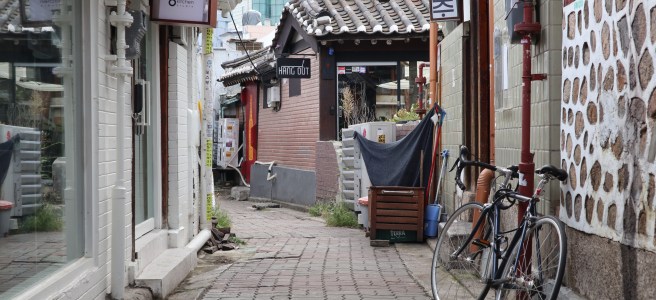
Jongno 3-ga Travel Guide: Inside Seoul’s Newly Crowned ‘World’s Coolest Neighborhood’ for 2026

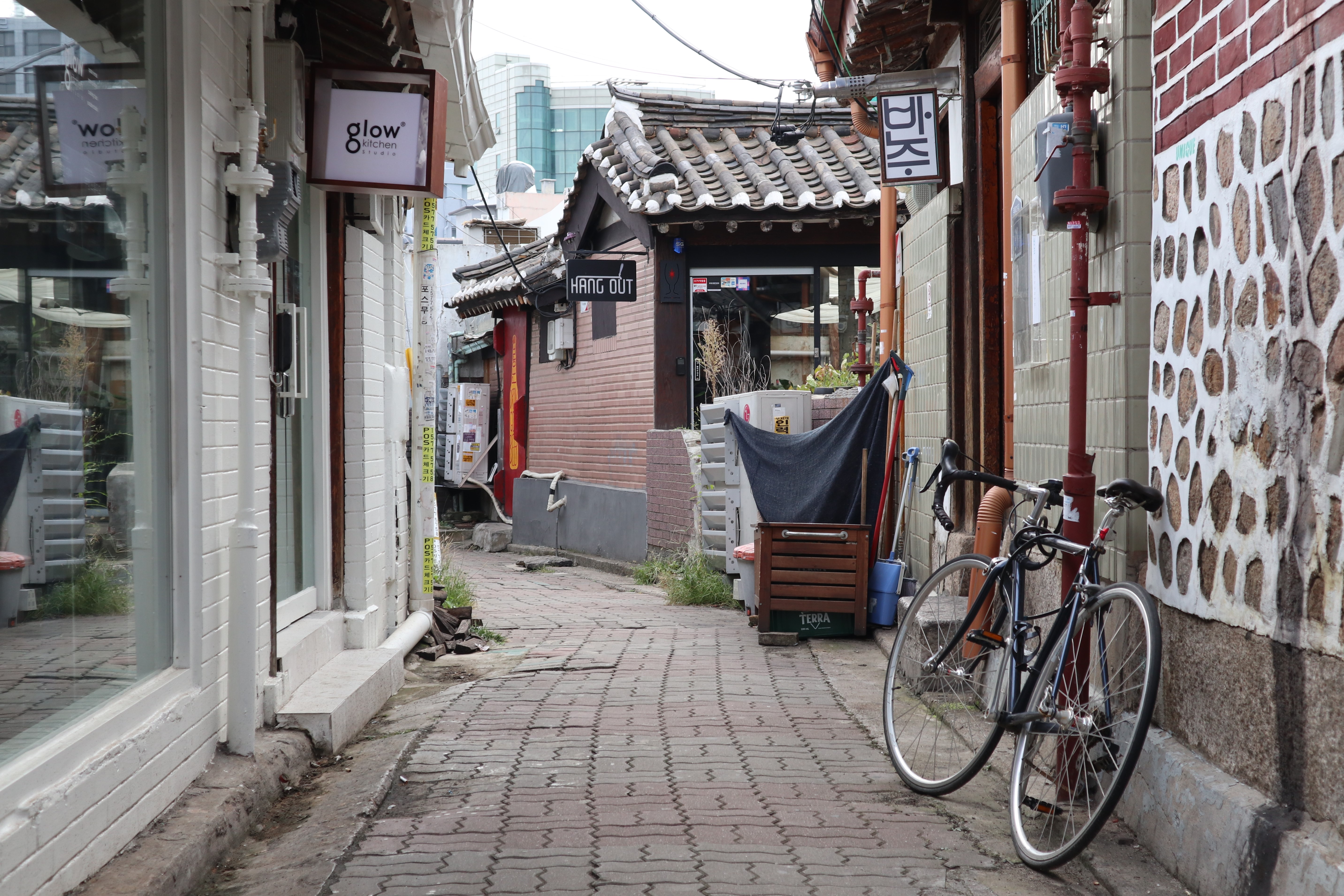
Narrow hanok alley in Ikseon-dong, the traditional Korean house district in Jongno 3-ga, Seoul

Jongno 3-ga just became Seoul’s most talked-about neighborhood for an entirely new reason: in September 2026, Time Out crowned it the world’s coolest neighborhood, jumping up from third place back in 2021. If you’re planning a Korea trip and wondering what actually makes this maze of alleys near Insadong so special, you’re in the right place. This guide breaks down exactly where to go, from the century-old hanoks of Ikseon-dong to the after-dark pojangmacha food stalls that locals have been packing into for decades. Here’s what to see, eat, and do in Jongno 3-ga right now, plus why K-culture fans in particular are going to love it.

Why Jongno 3-ga Just Became the World’s Coolest Neighborhood

In September 2026, Time Out’s global network of local editors and writers ranked Jongno 3-ga the number one coolest neighborhood on Earth, up from third place when it last appeared on the list in 2021. CNN, the Korea Herald, and Korea Times all picked up the story within days, and it’s easy to see why: this stretch of central Seoul, wedged between Insadong and Jongmyo Shrine, has managed to stay genuinely local even as it’s gone viral. Time Out’s write-up specifically praised the mix of century-old hanok alleys in Ikseon-dong, the after-dark boom in pojangmacha (street food tent) culture along Donhwamun-ro 11-gil, and the quieter creative scene growing on Seosulla-gil next to the shrine walls. Unlike some of Seoul’s other trendy districts, Jongno 3-ga has stayed a genuine social mixing ground, where elderly residents running decades-old gukbap restaurants share the same alleys as the young creatives and tourists now flocking in.

Ikseon-dong: Wander the Hanok Alleys That Started It All

Ikseon-dong is the hanok heart of Jongno 3-ga and the reason most visitors show up in the first place: a dense cluster of century-old traditional wooden houses that’s been converted into cafes, boutiques, and photobooths, all packed into alleys narrow enough that you’ll bump shoulders with fellow explorers. Time Out’s own “perfect day” itinerary starts at Mil Toast for fluffy steamed bread, then wanders the perfume, clothing, and eyewear shops that open around 11am. For lunch, Solsot’s pot rice is a local favorite, and Silladang is worth a stop for traditional Korean sweets like gaeseong juak (a chewy glazed rice donut) and yakgwa (a classic honey confection). Getting lost in the maze here really is part of the experience, so don’t over-plan your route, just follow whichever alley looks most interesting.

Narrow hanok alley in Ikseon-dong, the traditional Korean house district in Jongno 3-ga, Seoul
Photo: S h y numis / Wikimedia Commons (CC BY-SA 4.0)

Seosulla-gil: Jewelry, Craft Bars, and Jongmyo Shrine Views

When Ikseon-dong’s crowded lanes start to feel too packed, Seosulla-gil is where Jongno 3-ga slows down. This lane runs alongside the stone walls of the UNESCO-listed Jongmyo Shrine, a Joseon-dynasty royal ancestral shrine built in 1394, and has quietly become the unofficial center of Seoul’s wholesale jewelry trade. Independent designers now sell nature-inspired fine jewelry at shops like Eever Layer, while Slow and Lit stocks handmade crystal trinkets. Cafe SaSa, tucked into a two-story hanok, is known for its mugwort latte and quiet pastry-and-coffee vibe, and craft-beer bar Seoul Gypsy gives the lane a low-key, sophisticated evening scene that’s a nice contrast to the louder pocha crowds a few streets over.

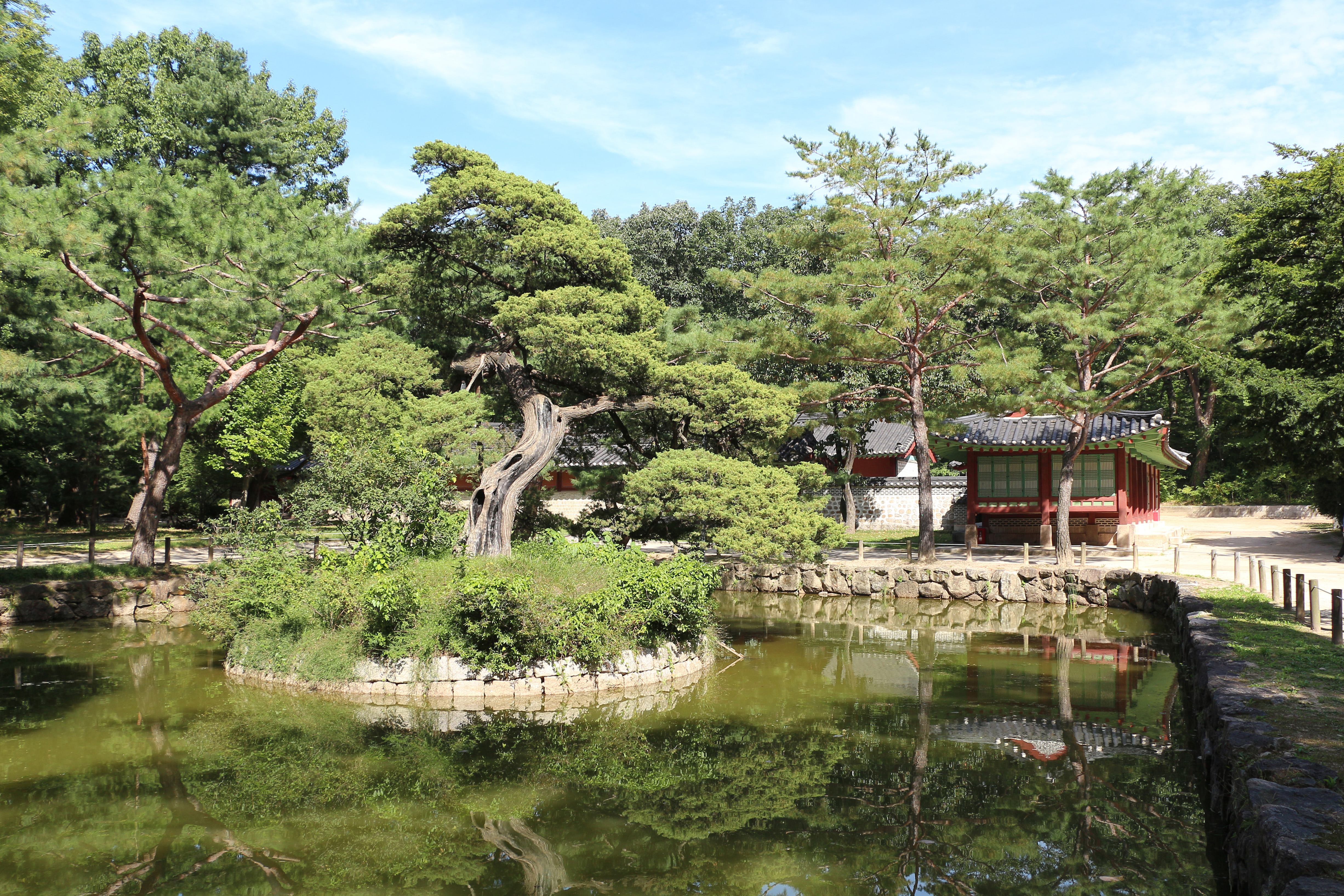
A quiet pond at Jongmyo Shrine in Seoul, the Joseon-era royal shrine next to Seosulla-gil in Jongno 3-ga
Photo: Bgag / Wikimedia Commons (CC0)

Pocha Culture: Jongno 3-ga’s After-Dark Food Scene

The single biggest reason Jongno 3-ga is buzzing right now is its pojangmacha (street food tent) revival. These orange-tented stalls were once just a fast, cheap dinner stop for laborers and office workers on their way home, but young locals have reclaimed them, drawn by the low prices and unpretentious, plastic-stool charm. Head to Donhwamun-ro 11-gil starting around 5pm and you’ll find tables filling up with pajeon (savory seafood-and-kimchi pancakes), grilled eel, charred squid, tteokbokki, and ramyeon, plus the notorious live octopus dish sannakji for anyone feeling brave. In autumn, ginkgo trees around the neighborhood turn gold and drop a carpet of yellow leaves, making crisp evenings under the pocha tarps especially atmospheric. If you overdo it on the makgeolli, the trendy Moxy Seoul Insadong hotel is conveniently right next door.

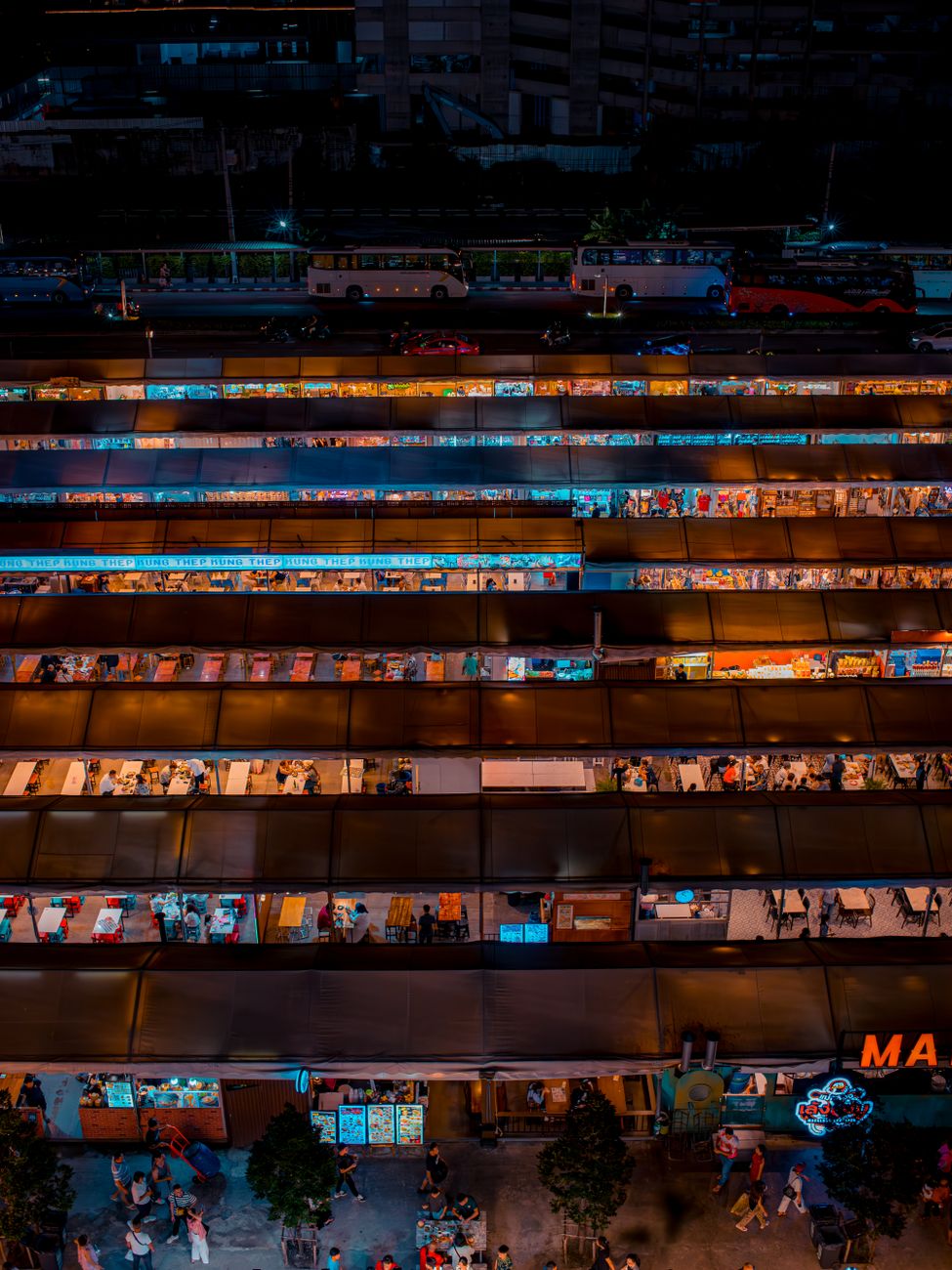
Night street food stalls with orange tents in Korea, evoking Jongno 3-ga's pojangmacha pocha culture
Photo by Gije Cho on Pexels.com

Best Time to Visit and How to Get There

Getting to Jongno 3-ga is easy: it sits right on Seoul Subway Lines 1, 3, and 5, with exits 4 and 6 dropping you straight into Ikseon-dong and the pocha streets. Autumn (September through November) is the best season to visit, thanks to the neighborhood’s ginkgo trees turning gold and the pocha season hitting its stride in the cool evening air, but Ikseon-dong’s cafes and shops are worth a daytime visit any time of year. Plan for a late afternoon start, browsing Ikseon-dong’s shops and cafes before the crowds pick up, then work your way to Seosulla-gil for a quieter break, and finish at the pocha tables on Donhwamun-ro 11-gil once the sun goes down. Most shops open around 11am, and the pocha scene really gets going from 5pm onward.

Frequently Asked Questions About Jongno 3-ga

Is Jongno 3-ga safe to explore at night?

Yes. The pocha streets are busy with locals and visitors well into the evening, and the area around the subway exits stays well-lit and lively. As with anywhere in Seoul, normal city precautions apply, but Jongno 3-ga’s late-night crowds are actually part of what makes it feel safe and welcoming after dark.

Is Jongno 3-ga still a local neighborhood, or has it become too touristy?

It’s genuinely both, which is exactly what Time Out praised. Elderly residents still run decades-old gukbap restaurants and barbershops in the same alleys where young creatives and international visitors now gather, and the neighborhood has resisted the kind of full gentrification that’s changed other trendy Seoul districts. That said, Ikseon-dong in particular does get crowded, especially on weekends, so visiting on a weekday or arriving earlier in the day can mean a calmer experience.

Jongno 3-ga earns its new title by being both a genuine slice of old Seoul and one of its most exciting food-and-culture scenes right now, and that’s a rare combination for a neighborhood that’s just gone viral. Whether you spend your day wandering Ikseon-dong’s hanok alleys, browsing handmade jewelry on Seosulla-gil, or pulling up a plastic stool at a pocha table after dark, you’re getting a side of Seoul that’s stayed real even while the world was watching. Add it to your Korea itinerary alongside the bigger-name districts, and give yourself more time here than you think you’ll need, this is a neighborhood built for wandering, not checking off a list.

Learn more about KWaveDaily on our About page.

Read Time Out’s full coverage of Jongno 3-ga’s world’s coolest neighborhood ranking.

Chuseok in Korea 2026: What K-Culture Fans Need to Know Before You Go

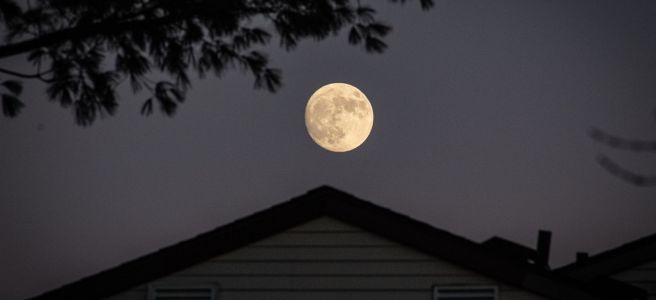
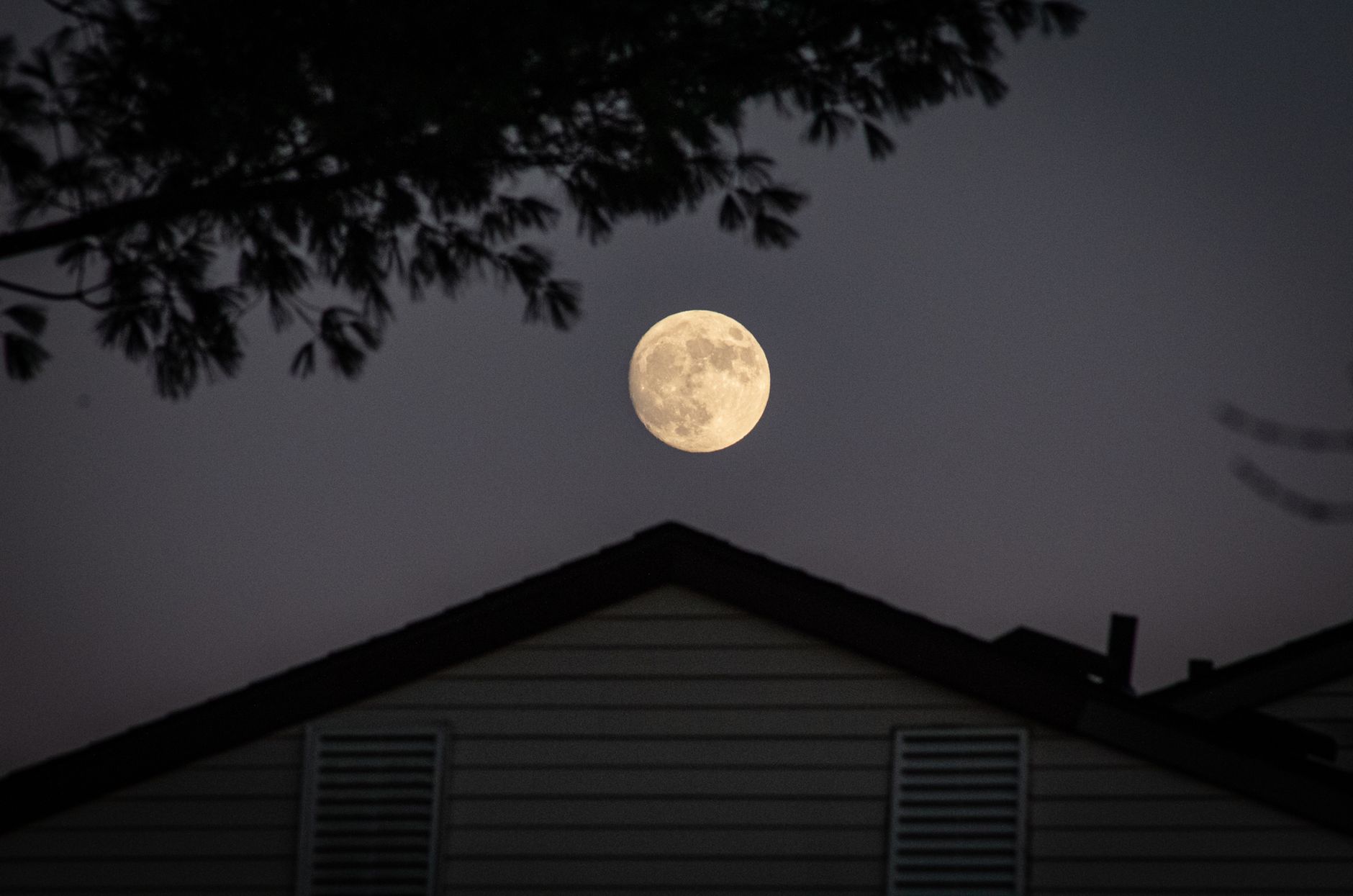
Full moon in the night sky during Chuseok, Korea's harvest moon festival

Chuseok, Korea’s biggest harvest moon festival, falls on Friday, September 25, 2026, with the official holiday running from Thursday, September 24 through Saturday, September 26. If you’re a K-drama, K-pop, or Korea travel fan planning a trip around this date, you might be wondering whether everything shuts down, or whether it’s actually one of the best times to visit. The good news: most major palaces, theme parks, and tourist areas stay open, and several even host free admission and special traditional events you won’t see any other time of year. This guide breaks down exactly what’s open, what’s closed, and the best ways to experience real Korean culture during the 2026 Chuseok holiday.

Full moon in the night sky during Chuseok, Korea's harvest moon festival
Photo by Dan Hadley on Pexels.com

What Is Chuseok, Korea’s Harvest Moon Festival?

Chuseok, also called Hangawi, is one of Korea’s three biggest traditional holidays alongside Seollal (Lunar New Year). It falls on the 15th day of the 8th lunar month, which lands on September 25 in 2026, and celebrates the year’s harvest with family gatherings, ancestral rites called charye, and grave visits known as seongmyo. Families share songpyeon, half-moon-shaped rice cakes, and spend the holiday giving thanks for a good year. For travelers, Chuseok offers a rare window into living tradition, since palaces, museums, and folk villages roll out cultural performances and hands-on programs that aren’t available the rest of the year.

When Is Chuseok 2026, and What Actually Closes?

The official Chuseok holiday in 2026 runs from Thursday, September 24 through Saturday, September 26, with Chuseok Day itself falling on Friday, September 25. Contrary to what many first-time visitors assume, Korea does not shut down during the holiday. Subways and city buses run on their normal schedules throughout, though some services run later than usual on Chuseok Day and the day after as travelers head home. Major department stores, some restaurants, and small family-run shops often close on Chuseok Day itself, but convenience stores, cafe chains, and shops in tourist districts like Myeongdong and Hongdae typically stay open. If you’re traveling between cities, book train or express bus tickets as early as possible, since seats sell out fast during major holidays, and it’s worth having a rental car as a backup plan.

Free Palace Admission You Won’t Want to Miss

During the Chuseok holiday, Seoul’s four major royal palaces, Gyeongbokgung, Changdeokgung, Deoksugung, and Changgyeonggung, all offer free admission, along with Jongmyo Shrine and all 40 Royal Tombs of the Joseon dynasty. It’s one of the few times of year you can explore Joseon-era architecture and royal culture without paying an entry fee. Major museums like the National Museum of Korea and the four branches of the National Museum of Modern and Contemporary Art are generally closed on Chuseok Day itself but reopen for the rest of the holiday, making them a solid indoor option if the weather doesn’t cooperate. Around 40 national recreational forests across the country also waive admission fees during the holiday, though camping platforms and accommodations still charge as usual.

Person wearing traditional Korean hanbok, a popular Chuseok holiday tradition
Photo by ki-mock koo on Pexels.com

Where to See Hanbok, Folk Games, and Moonlight Festivals

Namsangol Hanok Village in central Seoul is the best single spot to soak up the festive atmosphere, hosting the Namsan Moonlight Madang from September 25 to 27 with traditional performances, a hanbok experience, folk games, and a K-food market. Renting a hanbok is still a beloved Chuseok tradition, especially near palaces, since wearing one often gets you free entry to sites like Changdeokgung’s Secret Garden. Other highlights include ganggangsullae, a moonlit circle dance where people join hands under the harvest moon, and talchum, a traditional masked dance drama recognized by UNESCO. Outside Seoul, the Korean Folk Village near Yongin and Jeonju Hanok Village, home to roughly 700 traditional houses, both run hands-on folk game programs throughout the holiday, while Andong hosts its annual Maskdance Festival from September 24 through October 4.

Chuseok Foods Every K-Culture Fan Should Try

Songpyeon is the signature Chuseok food: half-moon-shaped rice cakes filled with sesame seeds, soybeans, or red beans and steamed over pine needles, which gives them a subtle nutty fragrance. The half-moon shape represents a waxing moon, symbolizing growth and prosperity for the year ahead. Alongside songpyeon, holiday tables are loaded with jeon, savory pancakes made from meat, seafood, or vegetables coated in egg, and japchae, glass noodles stir-fried with vegetables. If you want a hands-on taste of the holiday, Mapo Jeon Alley in Seoul is packed with stalls serving fresh-made kimchijeon and bindaetteok, and several Korean cooking studios run seasonal classes where you can make your own songpyeon and jeon from scratch.

Traditional Korean songpyeon rice cakes, a signature Chuseok holiday food
Photo by 8pixelz _ on Pexels.com

Best Theme Parks and Attractions During the Holiday

If tradition isn’t your main draw, Everland and Lotte World both stay open throughout Chuseok, and crowds are often lighter since many locals spend the holiday with family outside the city. N Seoul Tower on Namsan Mountain is also open, with shorter lines than usual and sweeping views that are especially striking under the harvest moon. Coex Mall and Gwangjang Market may close briefly on Chuseok Day itself but reopen quickly, while Hongdae tends to be quiet in the morning and lively again by evening, so plan big shopping or nightlife trips for the second or third day of the holiday.

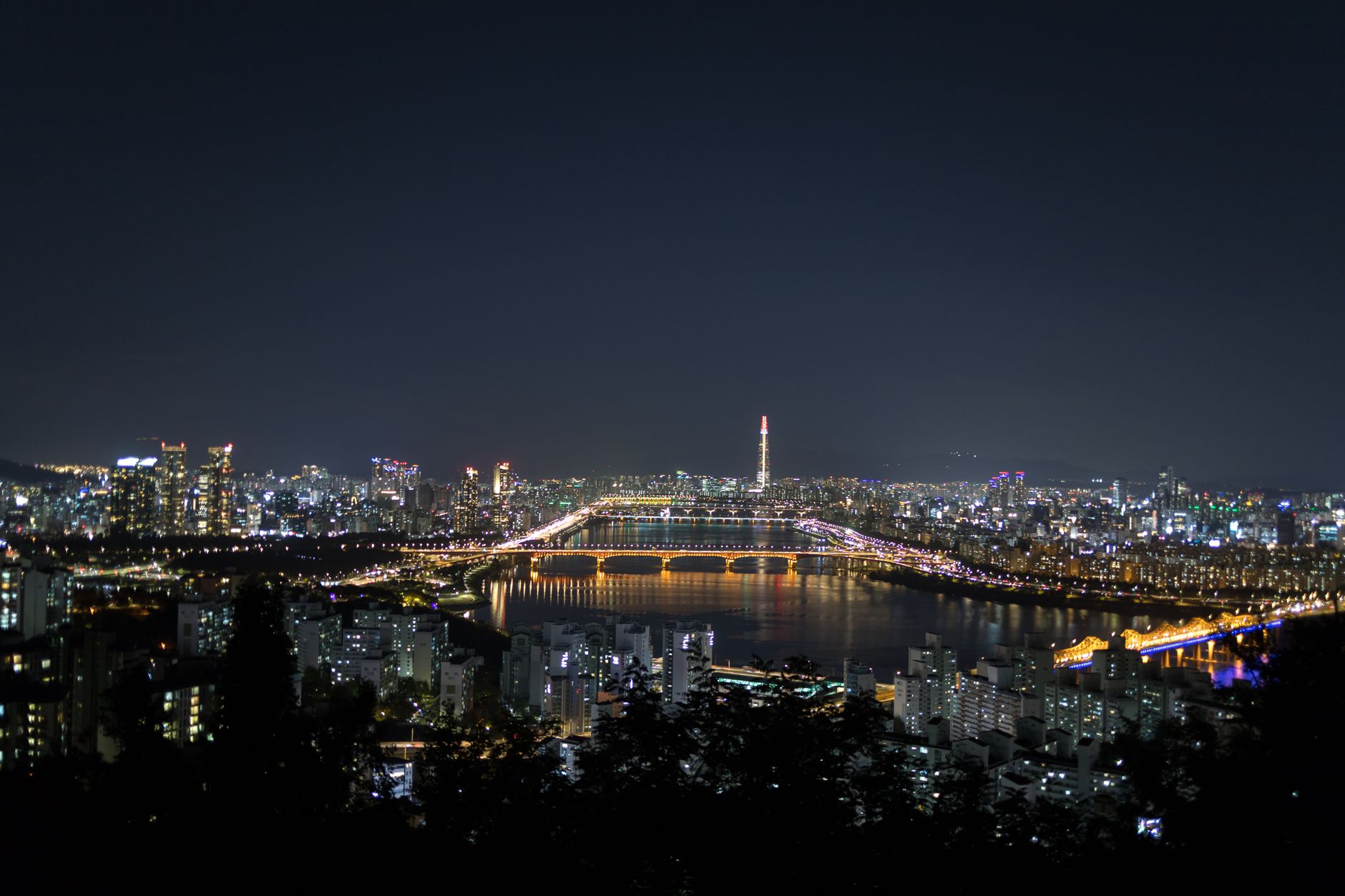
Seoul city skyline at night, a highlight for visitors during the Chuseok holiday
Photo by O-seop Sim on Pexels.com

Chuseok Travel FAQ

Is everything closed during Chuseok?

No. Most tourist attractions, convenience stores, cafe chains, and shops in tourist districts stay open throughout the holiday. Department stores and small family-run restaurants are the most likely to close, and mainly just on Chuseok Day itself, September 25.

Do I need to book transportation in advance?

Yes, if you’re traveling between cities. Train and express bus tickets sell out quickly during Chuseok, so book as early as possible and consider having a rental car as a backup. Subways and city buses within cities run on their normal schedules throughout the holiday.

Is renting a hanbok worth it during Chuseok?

Yes, especially around Chuseok. Wearing a hanbok is one of the holiday’s core traditions, and it often gets you free entry to palaces like Gyeongbokgung and Changdeokgung, plus special access to sites like Changdeokgung’s Secret Garden. Rental shops cluster near most major palaces and Namsangol Hanok Village.

Far from being a holiday to avoid, Chuseok 2026 might be one of the best windows to experience Korea beyond the usual tourist checklist. Between free palace admission, moonlit folk performances, and once-a-year foods like songpyeon, you get a genuine taste of Korean tradition alongside the K-pop and K-drama sights most travelers already have on their list. Just book your intercity transport early, keep a flexible backup plan for Chuseok Day itself, and you’ll have one of the most memorable trips to Korea you can plan around a single date on the calendar.

Learn more about KWaveDaily and what we cover.

Read more about the history and traditions of Chuseok on Wikipedia.

Olive Young Shopping Guide 2026: 15 K-Beauty Must-Buys (Plus Tax Refund Tips)

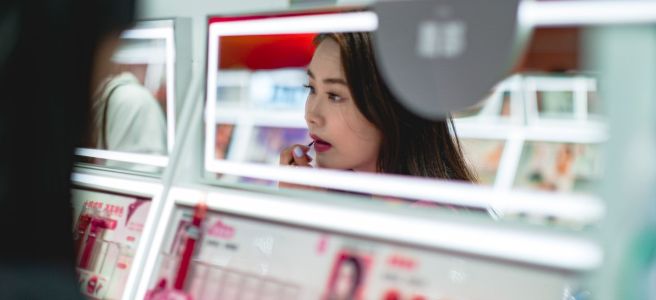
Korean beauty and cosmetics shopping display representing an Olive Young store

If you only visit one drugstore in Seoul, make it Olive Young. This K-beauty giant has become the go-to first stop for anyone chasing glass skin, viral sheet masks, or the exact sunscreen your favorite skincare influencer swears by, and with locations in Myeongdong, Hongdae, and Gangnam, there’s a branch near almost every tourist route. But with thousands of products crammed onto every shelf, it’s easy to walk out with a bag of impulse buys instead of the things actually worth your suitcase space. This guide breaks down the real, tried-and-tested Olive Young must-buys for 2026 by category, plus the tax refund trick that can save you real money before you even leave the store.

Which Olive Young Store Should You Visit First?

Seoul has Olive Young branches on nearly every major corner, but a few flagship stores stand out for first-time shoppers. Olive Young Myeongdong Town is the largest branch in the country, spread across multiple floors with a dedicated tax refund counter, making it the easiest single stop if you only have time for one visit. Hongdae’s branch tends to stock trending, TikTok-viral products faster than other locations, while the Gangnam flagship is more spacious and less crowded, with a stronger premium-brand selection. If you’re near Seongsu-dong, the newer Olive Young N Seongsu location is worth a look for its Instagram-friendly interior and occasional exclusive drops.

Korean skincare products flatlay representing the wide selection at an Olive Young store
Photo by Polina u2800 on Pexels.com

Best Korean Sunscreens Worth Stocking Up On

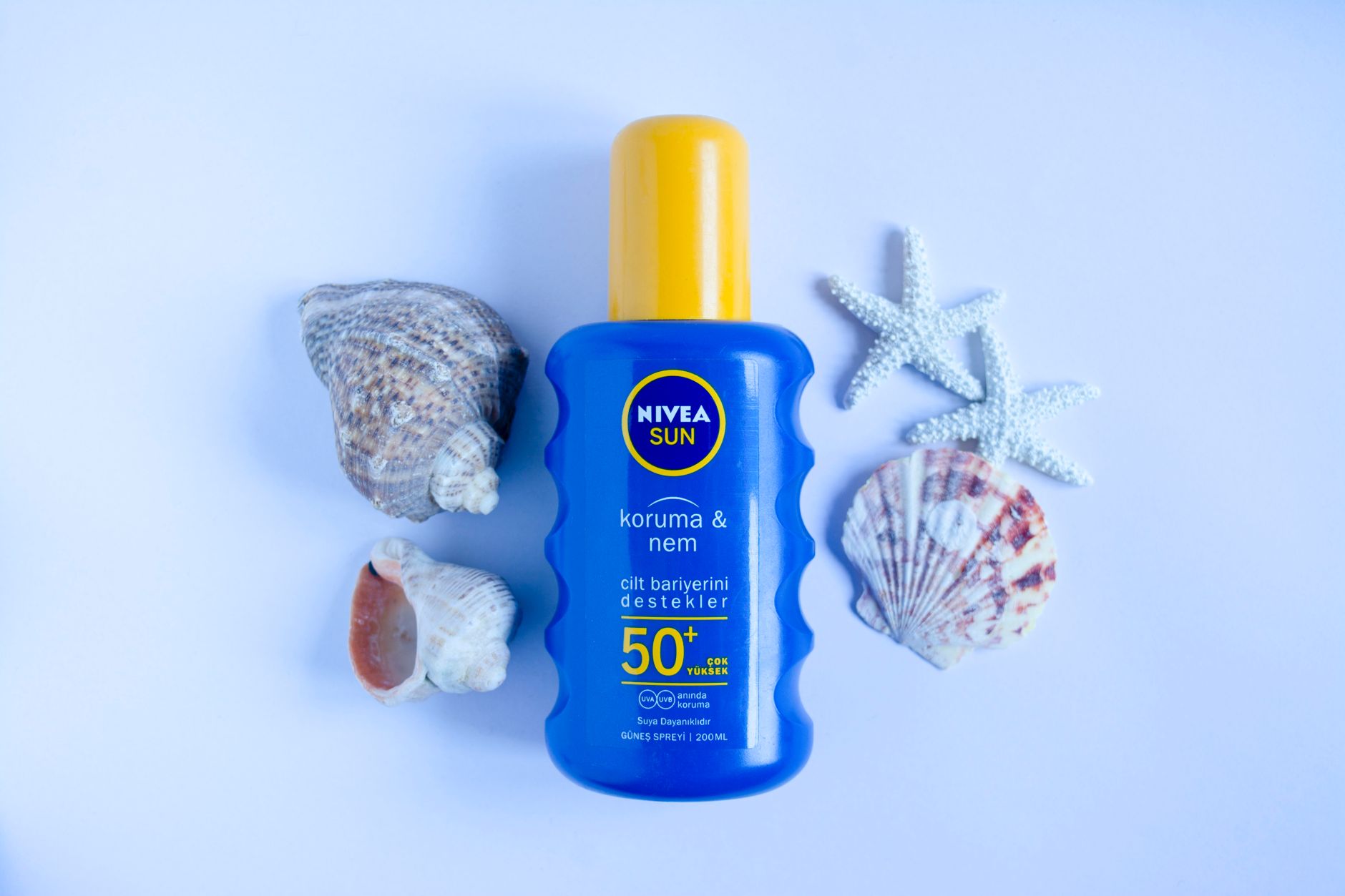
Korean sunscreen is genuinely years ahead of most Western formulas: lightweight, no white cast, and built to layer under makeup without pilling. This is the single category most travelers say they wish they’d bought more of. Beauty of Joseon Relief Sun SPF50+ is the most globally hyped pick, a rice-and-probiotic formula that runs around 9,000 to 12,000 won. Round Lab’s Birch Juice Moisturizing Sun Cream is a favorite for drier skin types, while Isntree’s Hyaluronic Acid Watery Sun Gel disappears almost instantly on the skin. Because Korean sunscreen typically costs two to three times more once it’s exported overseas, and Olive Young frequently runs 1+1 (buy one, get one) deals, this is the category worth buying in bulk before you fly home.

Korean sunscreen bottles, a top must-buy category at Olive Young
Photo by Betu00fcl u00dcstu00fcn on Pexels.com

Best Skincare Picks: Serums, Toners, and Moisturizers

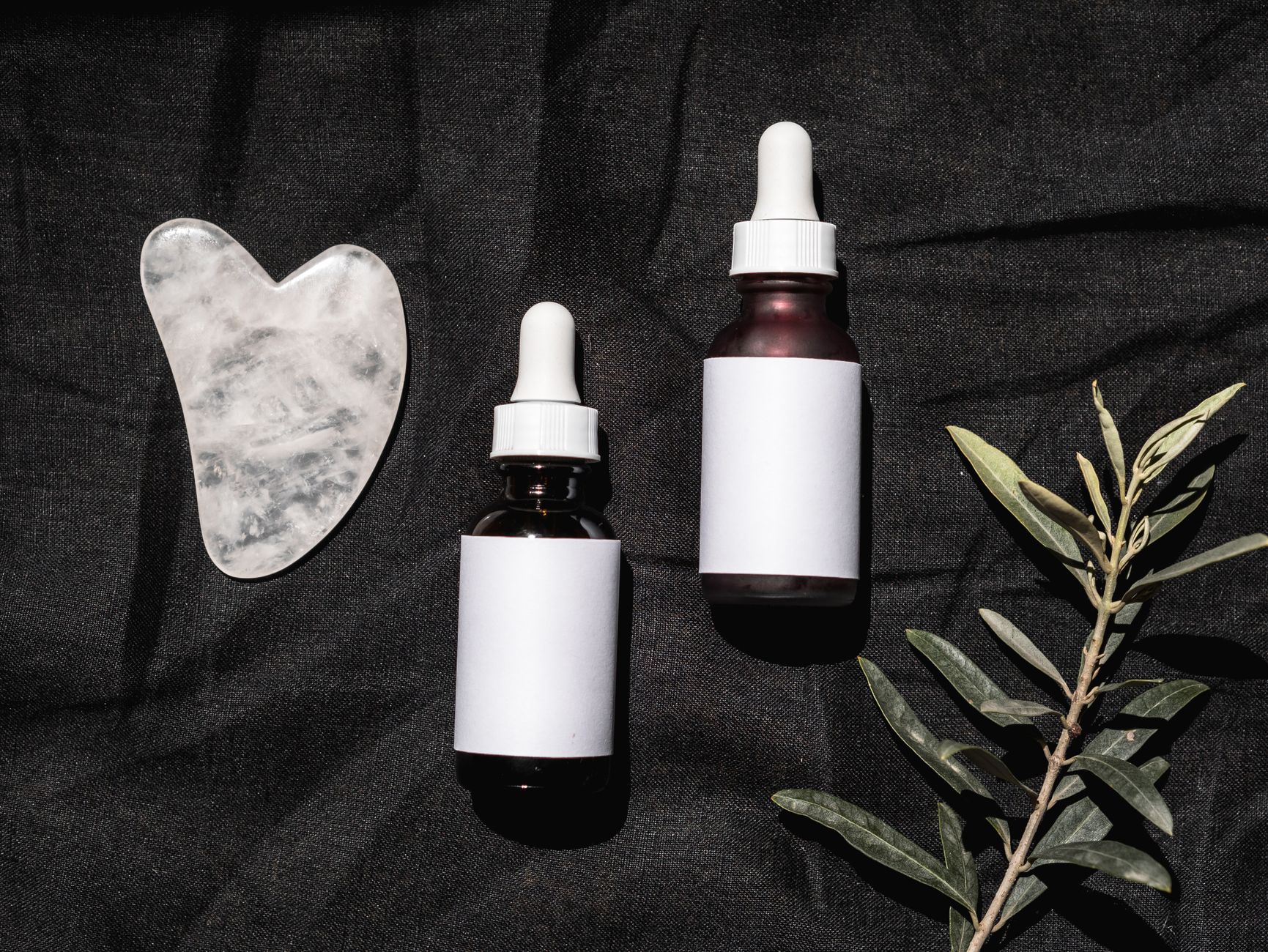
Korean skincare philosophy favors layering several lightweight products over one heavy cream, so the serum and toner aisles are where most of the magic happens. COSRX Advanced Snail 96 Mucin Power Essence remains Korea’s best-selling essence for a reason, prized for calming redness and boosting hydration. Anua’s Heartleaf 77% Soothing Toner is a genuine cult favorite that keeps going viral on TikTok for calming irritation. For brightening, Anua’s Niacinamide 10 TXA 4 serum pairs niacinamide with tranexamic acid to fade dark spots without irritation, and Torriden’s DIVE-IN Low Molecular Hyaluronic Acid Serum is a reliable hydration booster for dry climates. If your skin runs sensitive, Illiyoon’s Ceramide Ato Concentrate Cream is often compared to CeraVe for its no-frills, barrier-repairing formula, and it comes in a large tube that will outlast your trip.

Skincare serum bottle with dropper, representing Korean essence and toner products
Photo by Jill Burrow on Pexels.com

Sheet Masks: The Easiest Souvenir to Bring Home

Sheet masks are the ultimate Korea souvenir: cheap, lightweight, and something literally everyone back home will be happy to receive. Mediheal’s N.M.F Aquaring Ampoule Mask is Korea’s top-selling sheet mask brand, running about 1,000 to 1,500 won per sheet, making it easy to grab a dozen without blowing your budget. Dr. Jart+’s Dermask Water Jet Vital Hydra Solution is the slightly more premium pick if you want to treat yourself, while Abib’s Mild Acidic pH Sheet Mask is a solid choice for sensitive skin. Keep an eye out for Olive Young’s constant “10+10” mask promotions (buy 10, get 10 free), which make stocking up for gifts genuinely worth it rather than just a nice idea.

Person applying a Korean sheet mask, a popular and affordable Olive Young souvenir
Photo by Engin Akyurt on Pexels.com

Makeup Worth Trying: Cushions and Lip Tints

Korean makeup leans into the natural, dewy “glass skin” look rather than heavy full coverage, and cushion foundations are the clearest example of that philosophy. CLIO’s Kill Cover Mesh Glow Cushion is Korea’s best-selling cushion for its natural, glowing finish, while IOPE’s Air Cushion XP is a longtime classic known for holding up through a long day of sightseeing. On the lip side, rom&nd’s Juicy Lasting Tint is the product that arguably started the global lip-tint obsession, with dozens of buildable, long-wearing shades. Peripera’s Ink Airy Velvet Tint is another cult favorite if you want a soft-focus, blurred finish instead of a glossy one. All of these are worth testing at the in-store counters before you buy, since Olive Young’s testers make it easy to check undertone and finish in person.

Korean lip tint and makeup cosmetics, popular Olive Young beauty picks
Photo by pedro furtado on Pexels.com

Don’t Forget the Instant Tax Refund

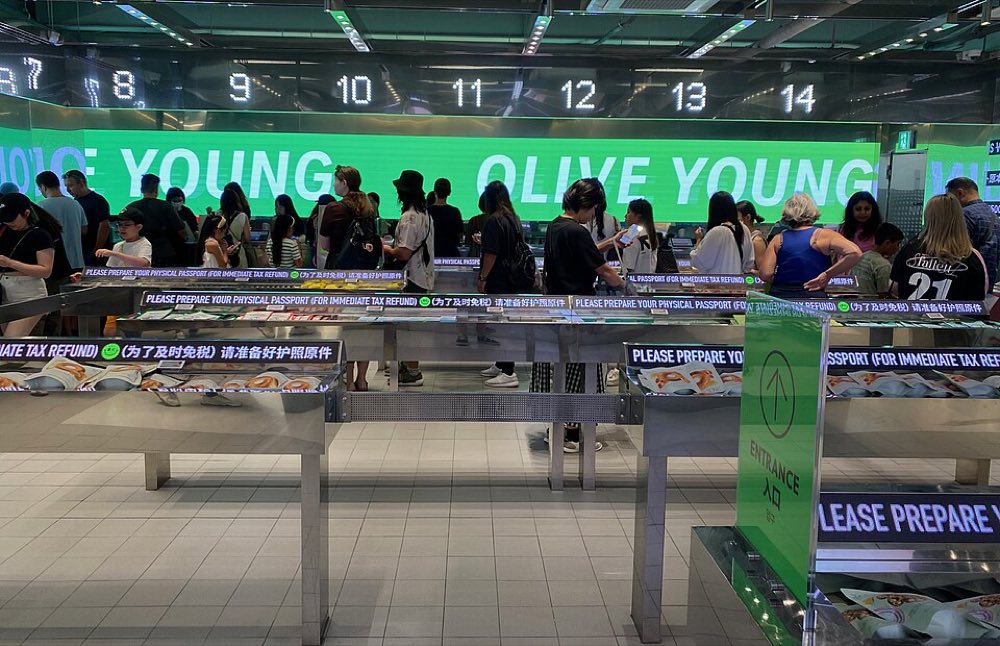
One of the easiest ways to save money at Olive Young has nothing to do with sale timing: it’s the instant tax refund. As of 2026, any single transaction of 15,000 won or more qualifies for an immediate discount at checkout, up to a total of 5,000,000 won across your entire trip in South Korea, and you’ll need your passport on hand to claim it. Unlike Japan’s sealed tax-free system, South Korea lets you open, test, and use your tax-refunded cosmetics right away during your trip, so there’s no need to keep anything sealed in a bag until you’re home. Larger branches like Myeongdong Town have a dedicated refund counter inside the store, which makes the whole process faster than hunting for a separate kiosk.

Frequently Asked Questions

Is Olive Young worth visiting if I only have one day in Seoul?

Yes. A single well-stocked branch, especially Myeongdong Town, lets you cover sunscreen, skincare, sheet masks, and makeup in one stop, and the tax refund counter is built right into the bigger stores so you don’t need a separate errand.

Do I need cash for the instant tax refund?

No, the instant refund is applied directly at checkout when you pay by card, as long as your single transaction hits the 15,000 won minimum and you show your passport. You don’t need to visit a separate refund kiosk for smaller purchases.

Can I buy Olive Young products online if I miss a trip?

Yes. Olive Young Global ships internationally, and as of 2026 Olive Young also has a dedicated U.S. e-commerce site with domestic shipping, so tariffs and long shipping times are no longer as much of a barrier as they used to be.

Final Thoughts

Olive Young can feel overwhelming on your first visit, but shopping by category instead of by hype makes it far easier to walk out with things you’ll actually use. Stock up on sunscreen and sheet masks since they’re the best value-per-won, test cushions and lip tints in person before committing to a full size, and always keep your passport handy for the instant tax refund. Whichever branch you end up at, a little planning turns Olive Young from a chaotic maze into one of the most satisfying parts of a Korea trip.

Learn more about KWaveDaily on our About page.

For more on Korean beauty retail, see Olive Young’s official Wikipedia page.

Seongsu-dong Travel Guide: Seoul’s Coolest K-Beauty and K-Pop Neighborhood

Seongsu-dong street lined with storefronts, Seoul, the neighborhood known as the Brooklyn of Seoul

Seongsu-dong has quietly become the neighborhood every K-culture fan needs on their Seoul itinerary, and it is not hard to see why. Once a gritty district of shoe factories, this corner of eastern Seoul is now ranked among the world’s coolest neighborhoods, packed with the country’s biggest K-beauty flagship stores, idol-connected fashion brands, and warehouse cafes that locals and tourists alike can’t stop posting about. SM Entertainment even moved its own headquarters here in 2021. Whether you are hunting for skincare, chasing K-pop connections, or just want the best coffee in the city, here is exactly where to go and why Seongsu-dong earns the hype.

Why Seongsu-dong Became Seoul’s Coolest Neighborhood

Seongsu-dong, a neighborhood in Seoul’s Seongdong District, spent decades as an industrial zone lined with small-scale shoe factories. Young creatives began moving in around 2011 for the cheap rents and good subway access, and the transformation snowballed from there: old red-brick warehouses became galleries, cafes, and concept stores while keeping their raw, factory-era bones intact. The turning point for K-pop fans came in 2021, when SM Entertainment relocated its headquarters here and opened KWANGYA SEOUL, its retail and content experience store, cementing Seongsu-dong’s status as a genuine K-culture destination rather than just a design-crowd hangout. Today the area is ranked among the world’s coolest neighborhoods, and it earns that reputation through the specific stores and streets covered below.

Industrial brick buildings in Seongsu-dong, Seoul, the former shoe-factory district now home to trendy shops
Photo: CartoonChess / Wikimedia Commons (CC BY-SA 4.0)

Olive Young N Seongsu: Korea’s Biggest K-Beauty Playground

If you only have time for one K-beauty stop in Seoul, make it Olive Young N Seongsu. At roughly 1,400 pyeong (about 4,600 square meters) spread across five floors, it is the single largest Olive Young store in the country, located at 서울 성동구 연무장7길 13 팩토리얼 성수 and open daily from 10:00 to 22:00. Beyond the usual wall-to-wall skincare and makeup, this flagship has a dedicated K-pop Now zone, interactive photo spots, and a members-only lounge, plus tax refunds and translated recommendation lists that make checkout easy for international visitors. Staff here are used to foreign shoppers, so it is a comfortable place to ask questions even if your Korean is limited.

Olive Young cosmetics store storefront in Seoul (Myeongdong branch), representative of the brand's retail presence
Photo: Sgroey / Wikimedia Commons (CC BY-SA 4.0) — Olive Young storefront, Myeongdong

Musinsa Beauty and the K-Pop Idol Brands Worth Seeking Out

Just off Yeonmujang-gil sits Musinsa Megastore Seongsu, which opened in April and runs roughly 6,600 square meters across four floors with about 1,000 brands under one roof. The second floor houses Musinsa’s first offline beauty store, stocking about 7,500 items from around 700 brands, including celebrity-linked labels you will not find at Olive Young: Glyf, founded by K-pop singer Jeon Somi, and Two Slash Four, from makeup artist Risabae. Luxury names have been moving in too, with NARS opening a pop-up here alongside MAC and Miu Miu in Musinsa’s growing beauty lineup, and new dedicated Musinsa Beauty road shops are planned for Hongdae and Seongsu later this year. For fans who want their shopping trip to double as a K-pop pilgrimage, this is one of the most rewarding stops in the neighborhood.

Modern clothing store interior with racks of apparel, representative of Musinsa Megastore Seongsu's retail floors
Photo by stein egil liland on Pexels.com

Tamburins, Amore Seongsu, and the Flagship Beauty Stores

Beyond the two megastores, Seongsu-dong is dotted with standalone flagship beauty spaces worth building into your route. Tamburins, the art-driven perfume and skincare brand under the same group as Hybe, runs its striking Seongsu flagship as part gallery, part fragrance lab, with rotating art installations that change the vibe every few months. Amore Seongsu, AmorePacific’s experience showroom, is another essential stop: it offers free product testing and samples across the company’s Korean beauty lines, built around a man-made stream that runs through the building. Torriden also has a dedicated Seongsu space, Torriden Connect, for hands-on testing of its cult-favorite hyaluronic acid line. None of these require an entrance fee, and most are designed to be walked through slowly rather than rushed.

Cafes and Seoul Forest: Where to Recharge Between Shopping

Seongsu’s warehouse-cafe culture is what put the neighborhood on the map before the beauty brands ever arrived, and it is still worth building time into your day. Cafe Knotted, a donut shop with a vintage American cartoon theme, now has nine locations across Seoul, but the Seongsu outlet remains its largest and most spacious. Grandpa Factory converted an old industrial space into a cafe with a genuine treehouse inside, plus a brunch menu generous enough to justify the wait. For something calmer, Seoul Forest itself, the city’s third-largest park, sits right at the edge of the district and makes an easy green break between shopping stops. Seongsu Yeonbang, a former factory turned three-story complex, packs cafes, a bookstore, and lifestyle shops under one roof if you would rather stay indoors.

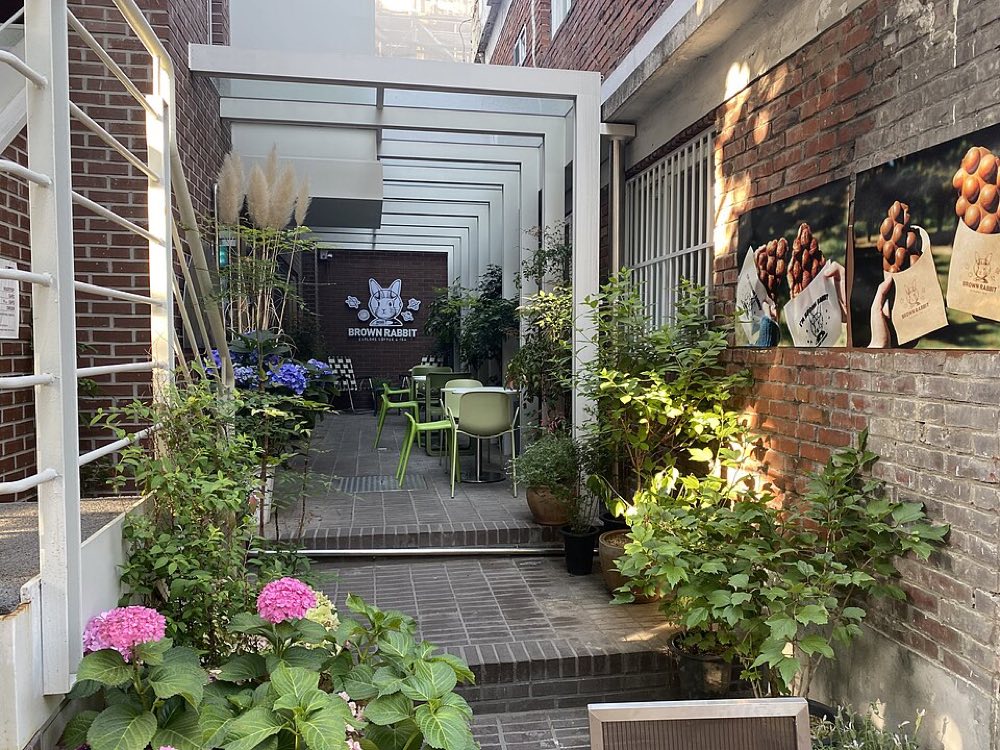
Flowery cafe storefront in Seongsu-dong, Seoul, part of the neighborhood's warehouse cafe culture
Photo: CartoonChess / Wikimedia Commons (CC BY-SA 4.0)

Where to Eat: Galbi Alley and Beyond

Right outside Seoul Forest, Seongsu-dong Galbi Alley is one of the neighborhood’s best-kept secrets among locals: a street lined with Korean barbecue restaurants and outdoor tables where you grill your own meat over charcoal. Most stalls serve similar cuts, but the grilled spare ribs in a sweet soy marinade are the thing to order. If you want something different, Seongsu Yeonbang’s food hall includes Chang Hwa Dang, whose original branch appeared in the 2019 hit drama Hotel Del Luna, and Girl’s Mill, known for healthy Korean set meals built around rice and banchan side dishes. Between the galbi smoke, the factory-turned-food-hall energy, and the steady stream of K-beauty shoppers passing through, dinner here feels like a natural extension of the day rather than an afterthought.

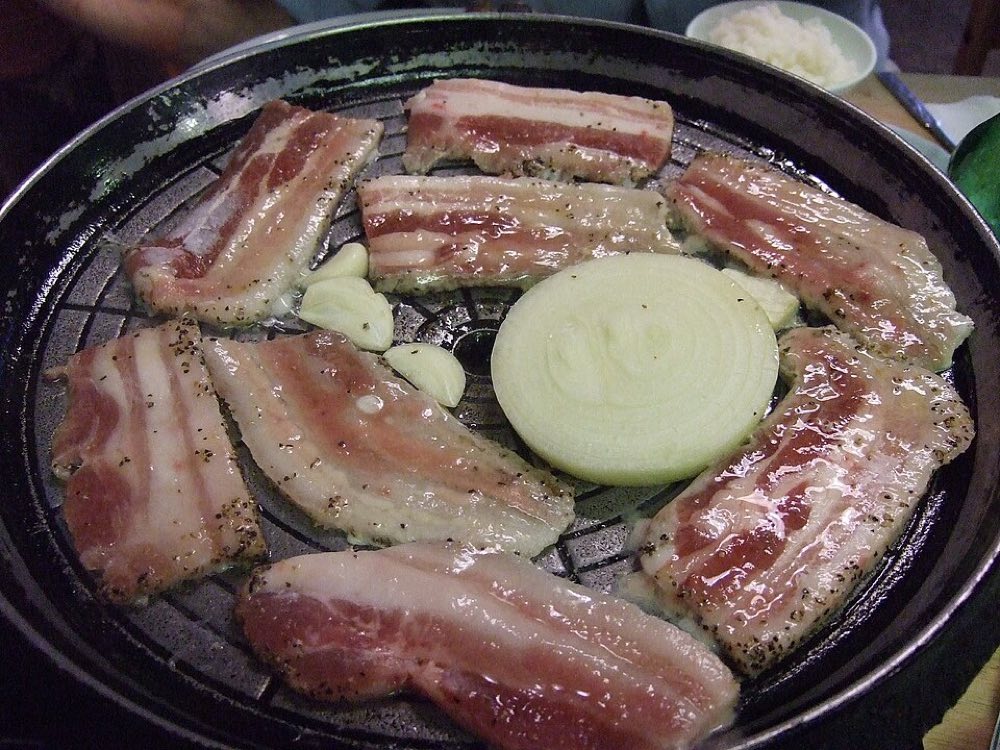
Samgyeopsal, grilled Korean pork belly barbecue, representative of the Korean BBQ dining found at Seongsu-dong Galbi Alley
Photo: hellochris / Wikimedia Commons (CC BY 2.0)

Seongsu-dong FAQ

How do I get to Seongsu-dong?

Take Seoul Subway Line 2 to Seongsu Station and use exit 3 or 4 for the main shopping and cafe area. The district is also just one stop past Konkuk University on the same line, so it pairs easily with other eastern Seoul stops.

What’s the best time to visit Seongsu-dong?

Weekdays are noticeably quieter, especially in the morning before the cafe crowds arrive. Weekends bring the most energy, with pop-up stores and street activity in full swing, but also the biggest crowds at Olive Young N Seongsu and Musinsa Megastore, so plan for lines if you go on a Saturday afternoon.

Is Seongsu-dong good for K-pop fans specifically, not just K-beauty shoppers?

Yes. SM Entertainment’s KWANGYA SEOUL retail and content space is here, and Musinsa Beauty carries idol-founded brands like Glyf, from Jeon Somi, that are hard to find elsewhere. Combined with the neighborhood’s general density of aesthetic photo spots, it is a natural stop for K-pop fans even without a specific fan-site or agency tour on the itinerary.

Seongsu-dong packs an unusual amount into a single walkable district: the country’s largest Olive Young, a K-pop idol beauty pipeline through Musinsa, art-gallery-grade flagship stores, and warehouse cafes that started the whole trend in the first place. Give it a full day rather than a quick stop, start early to beat the weekend crowds, and let the shopping and the K-pop spotting happen in the same afternoon.

Learn more about KWaveDaily on our About page.

For the full history of the neighborhood, see the Seongsu-dong Wikipedia page.