Chuseok, Korea’s biggest harvest moon festival, falls on Friday, September 25, 2026, with the official holiday running from Thursday, September 24 through Saturday, September 26. If you’re a K-drama, K-pop, or Korea travel fan planning a trip around this date, you might be wondering whether everything shuts down, or whether it’s actually one of the best times to visit. The good news: most major palaces, theme parks, and tourist areas stay open, and several even host free admission and special traditional events you won’t see any other time of year. This guide breaks down exactly what’s open, what’s closed, and the best ways to experience real Korean culture during the 2026 Chuseok holiday.
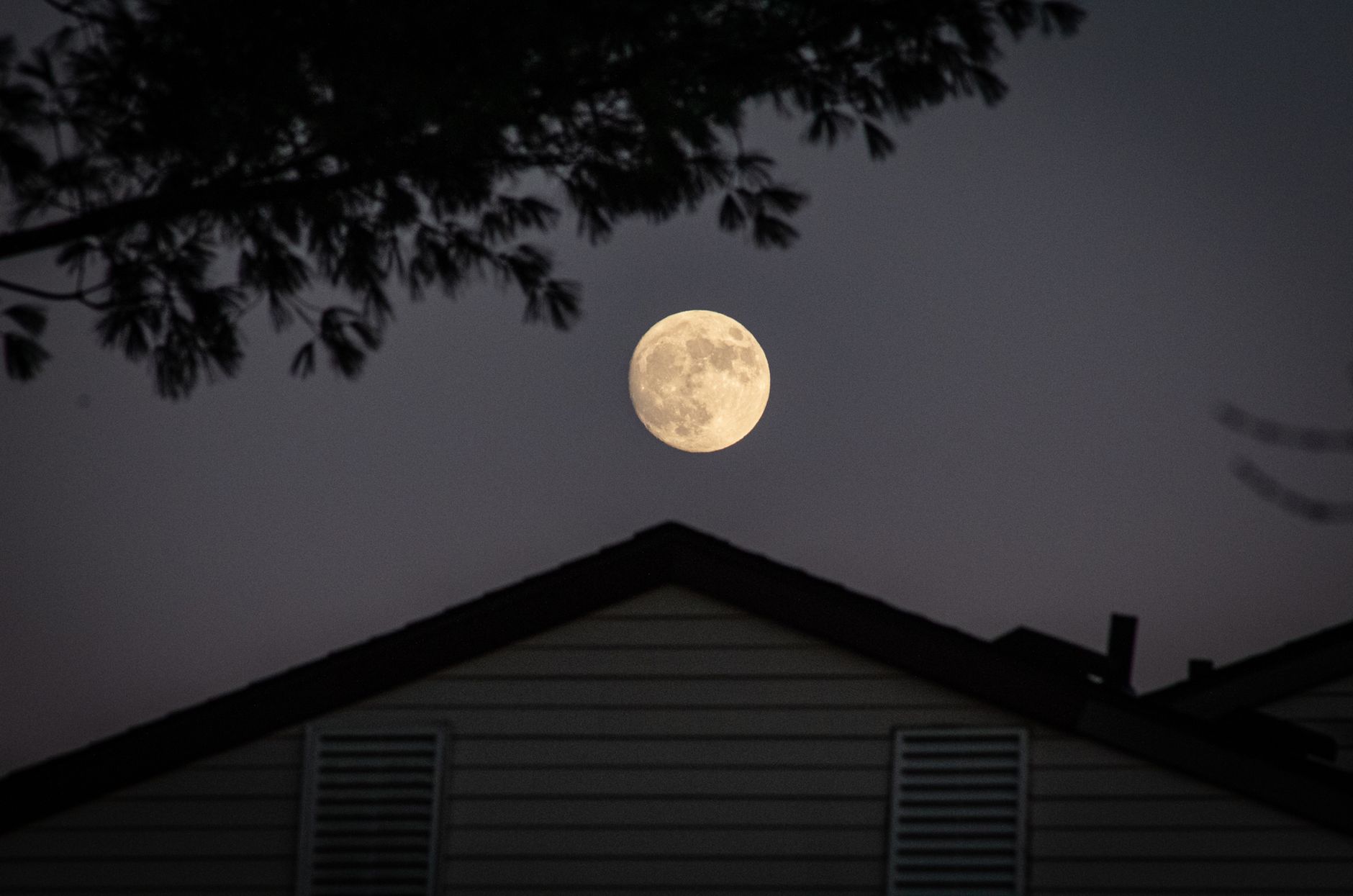
What Is Chuseok, Korea’s Harvest Moon Festival?
Chuseok, also called Hangawi, is one of Korea’s three biggest traditional holidays alongside Seollal (Lunar New Year). It falls on the 15th day of the 8th lunar month, which lands on September 25 in 2026, and celebrates the year’s harvest with family gatherings, ancestral rites called charye, and grave visits known as seongmyo. Families share songpyeon, half-moon-shaped rice cakes, and spend the holiday giving thanks for a good year. For travelers, Chuseok offers a rare window into living tradition, since palaces, museums, and folk villages roll out cultural performances and hands-on programs that aren’t available the rest of the year.
When Is Chuseok 2026, and What Actually Closes?
The official Chuseok holiday in 2026 runs from Thursday, September 24 through Saturday, September 26, with Chuseok Day itself falling on Friday, September 25. Contrary to what many first-time visitors assume, Korea does not shut down during the holiday. Subways and city buses run on their normal schedules throughout, though some services run later than usual on Chuseok Day and the day after as travelers head home. Major department stores, some restaurants, and small family-run shops often close on Chuseok Day itself, but convenience stores, cafe chains, and shops in tourist districts like Myeongdong and Hongdae typically stay open. If you’re traveling between cities, book train or express bus tickets as early as possible, since seats sell out fast during major holidays, and it’s worth having a rental car as a backup plan.
Free Palace Admission You Won’t Want to Miss
During the Chuseok holiday, Seoul’s four major royal palaces, Gyeongbokgung, Changdeokgung, Deoksugung, and Changgyeonggung, all offer free admission, along with Jongmyo Shrine and all 40 Royal Tombs of the Joseon dynasty. It’s one of the few times of year you can explore Joseon-era architecture and royal culture without paying an entry fee. Major museums like the National Museum of Korea and the four branches of the National Museum of Modern and Contemporary Art are generally closed on Chuseok Day itself but reopen for the rest of the holiday, making them a solid indoor option if the weather doesn’t cooperate. Around 40 national recreational forests across the country also waive admission fees during the holiday, though camping platforms and accommodations still charge as usual.
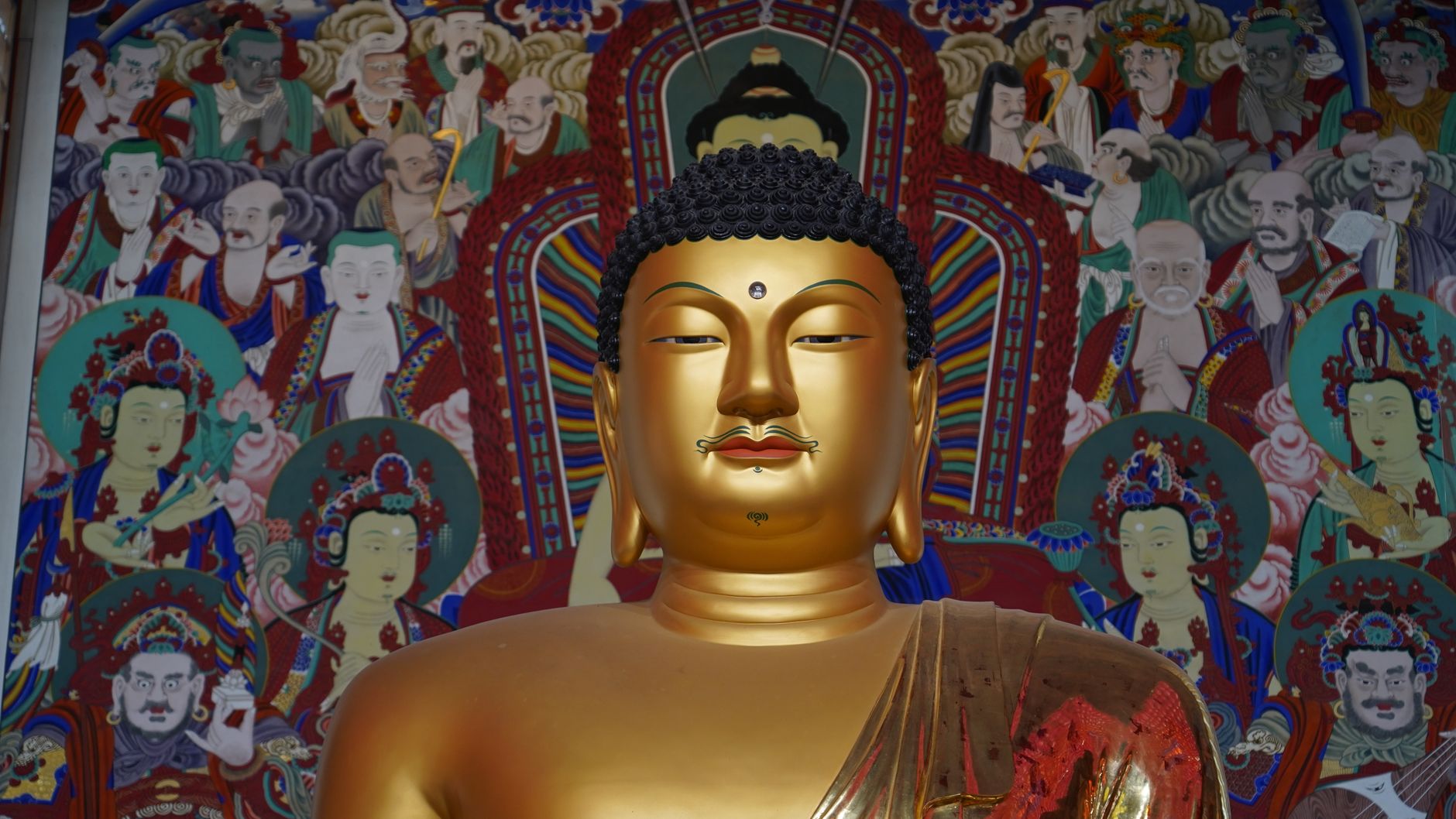
Where to See Hanbok, Folk Games, and Moonlight Festivals
Namsangol Hanok Village in central Seoul is the best single spot to soak up the festive atmosphere, hosting the Namsan Moonlight Madang from September 25 to 27 with traditional performances, a hanbok experience, folk games, and a K-food market. Renting a hanbok is still a beloved Chuseok tradition, especially near palaces, since wearing one often gets you free entry to sites like Changdeokgung’s Secret Garden. Other highlights include ganggangsullae, a moonlit circle dance where people join hands under the harvest moon, and talchum, a traditional masked dance drama recognized by UNESCO. Outside Seoul, the Korean Folk Village near Yongin and Jeonju Hanok Village, home to roughly 700 traditional houses, both run hands-on folk game programs throughout the holiday, while Andong hosts its annual Maskdance Festival from September 24 through October 4.
Chuseok Foods Every K-Culture Fan Should Try
Songpyeon is the signature Chuseok food: half-moon-shaped rice cakes filled with sesame seeds, soybeans, or red beans and steamed over pine needles, which gives them a subtle nutty fragrance. The half-moon shape represents a waxing moon, symbolizing growth and prosperity for the year ahead. Alongside songpyeon, holiday tables are loaded with jeon, savory pancakes made from meat, seafood, or vegetables coated in egg, and japchae, glass noodles stir-fried with vegetables. If you want a hands-on taste of the holiday, Mapo Jeon Alley in Seoul is packed with stalls serving fresh-made kimchijeon and bindaetteok, and several Korean cooking studios run seasonal classes where you can make your own songpyeon and jeon from scratch.
Best Theme Parks and Attractions During the Holiday
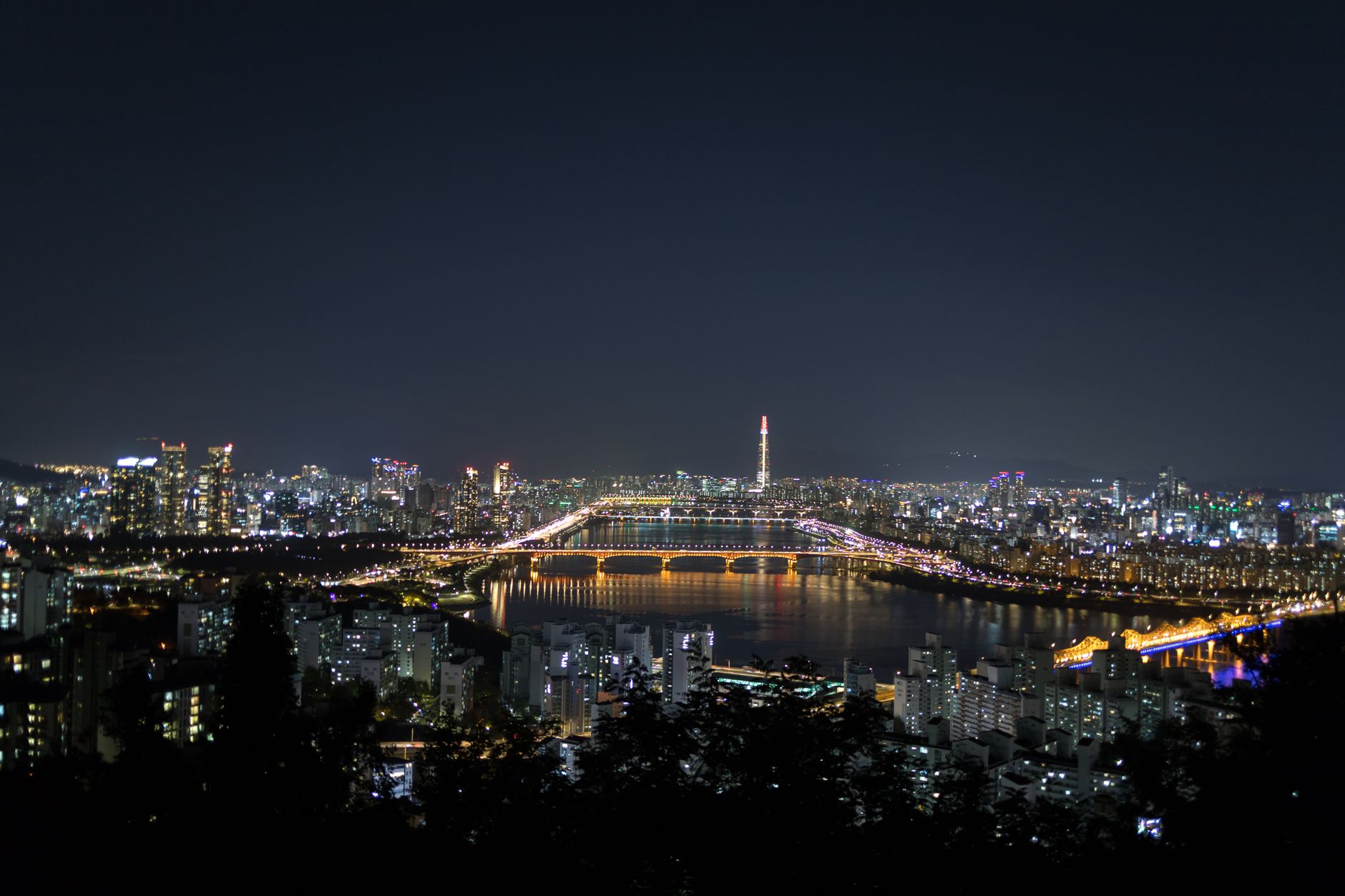
If tradition isn’t your main draw, Everland and Lotte World both stay open throughout Chuseok, and crowds are often lighter since many locals spend the holiday with family outside the city. N Seoul Tower on Namsan Mountain is also open, with shorter lines than usual and sweeping views that are especially striking under the harvest moon. Coex Mall and Gwangjang Market may close briefly on Chuseok Day itself but reopen quickly, while Hongdae tends to be quiet in the morning and lively again by evening, so plan big shopping or nightlife trips for the second or third day of the holiday.
Chuseok Travel FAQ
Is everything closed during Chuseok?
No. Most tourist attractions, convenience stores, cafe chains, and shops in tourist districts stay open throughout the holiday. Department stores and small family-run restaurants are the most likely to close, and mainly just on Chuseok Day itself, September 25.
Do I need to book transportation in advance?
Yes, if you’re traveling between cities. Train and express bus tickets sell out quickly during Chuseok, so book as early as possible and consider having a rental car as a backup. Subways and city buses within cities run on their normal schedules throughout the holiday.
Is renting a hanbok worth it during Chuseok?
Yes, especially around Chuseok. Wearing a hanbok is one of the holiday’s core traditions, and it often gets you free entry to palaces like Gyeongbokgung and Changdeokgung, plus special access to sites like Changdeokgung’s Secret Garden. Rental shops cluster near most major palaces and Namsangol Hanok Village.
Far from being a holiday to avoid, Chuseok 2026 might be one of the best windows to experience Korea beyond the usual tourist checklist. Between free palace admission, moonlit folk performances, and once-a-year foods like songpyeon, you get a genuine taste of Korean tradition alongside the K-pop and K-drama sights most travelers already have on their list. Just book your intercity transport early, keep a flexible backup plan for Chuseok Day itself, and you’ll have one of the most memorable trips to Korea you can plan around a single date on the calendar.
Learn more about KWaveDaily and what we cover.
Read more about the history and traditions of Chuseok on Wikipedia.

