Jongno 3-ga just became Seoul’s most talked-about neighborhood for an entirely new reason: in September 2026, Time Out crowned it the world’s coolest neighborhood, jumping up from third place back in 2021. If you’re planning a Korea trip and wondering what actually makes this maze of alleys near Insadong so special, you’re in the right place. This guide breaks down exactly where to go, from the century-old hanoks of Ikseon-dong to the after-dark pojangmacha food stalls that locals have been packing into for decades. Here’s what to see, eat, and do in Jongno 3-ga right now, plus why K-culture fans in particular are going to love it.
Why Jongno 3-ga Just Became the World’s Coolest Neighborhood
In September 2026, Time Out’s global network of local editors and writers ranked Jongno 3-ga the number one coolest neighborhood on Earth, up from third place when it last appeared on the list in 2021. CNN, the Korea Herald, and Korea Times all picked up the story within days, and it’s easy to see why: this stretch of central Seoul, wedged between Insadong and Jongmyo Shrine, has managed to stay genuinely local even as it’s gone viral. Time Out’s write-up specifically praised the mix of century-old hanok alleys in Ikseon-dong, the after-dark boom in pojangmacha (street food tent) culture along Donhwamun-ro 11-gil, and the quieter creative scene growing on Seosulla-gil next to the shrine walls. Unlike some of Seoul’s other trendy districts, Jongno 3-ga has stayed a genuine social mixing ground, where elderly residents running decades-old gukbap restaurants share the same alleys as the young creatives and tourists now flocking in.
Ikseon-dong: Wander the Hanok Alleys That Started It All
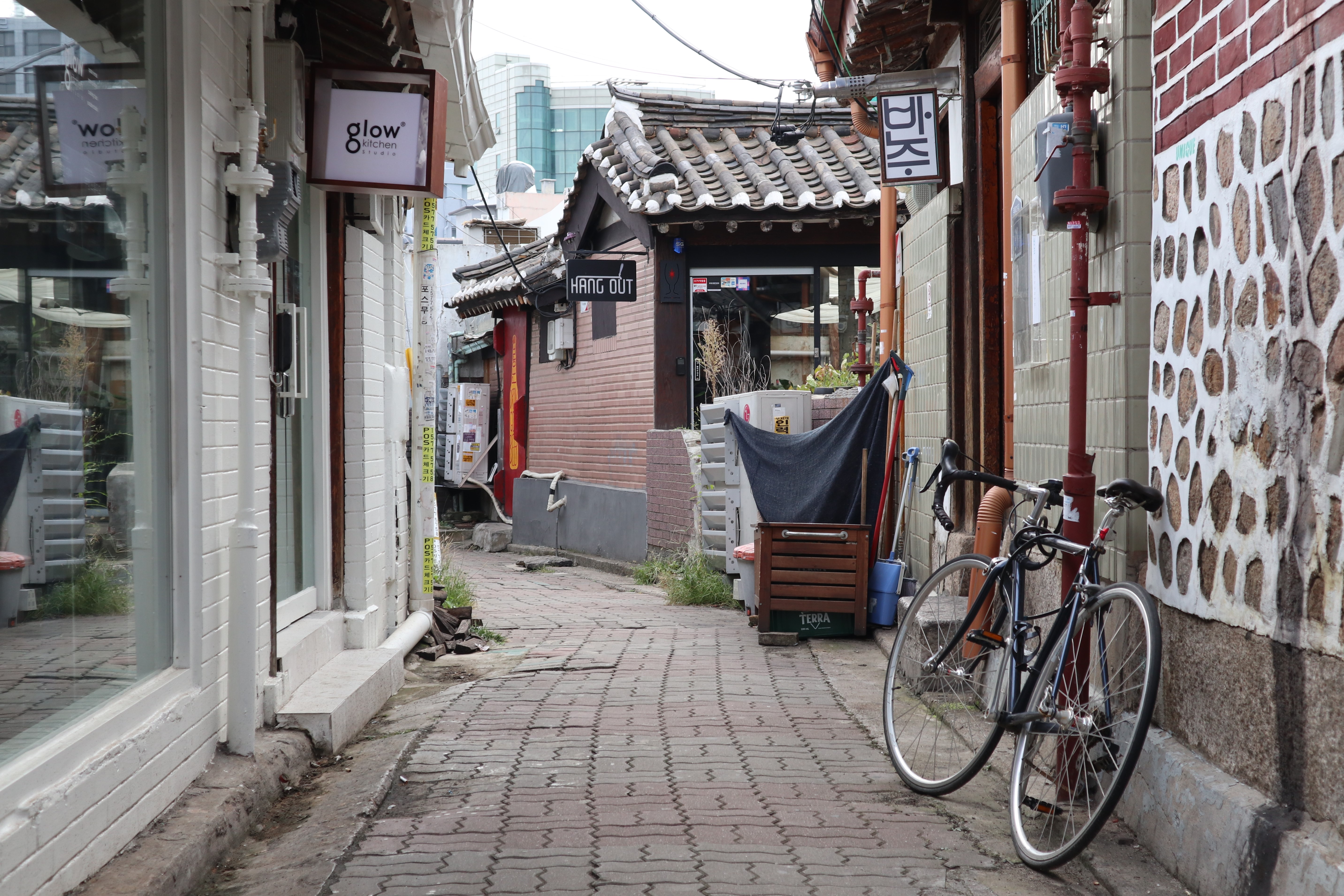
Ikseon-dong is the hanok heart of Jongno 3-ga and the reason most visitors show up in the first place: a dense cluster of century-old traditional wooden houses that’s been converted into cafes, boutiques, and photobooths, all packed into alleys narrow enough that you’ll bump shoulders with fellow explorers. Time Out’s own “perfect day” itinerary starts at Mil Toast for fluffy steamed bread, then wanders the perfume, clothing, and eyewear shops that open around 11am. For lunch, Solsot’s pot rice is a local favorite, and Silladang is worth a stop for traditional Korean sweets like gaeseong juak (a chewy glazed rice donut) and yakgwa (a classic honey confection). Getting lost in the maze here really is part of the experience, so don’t over-plan your route, just follow whichever alley looks most interesting.
Seosulla-gil: Jewelry, Craft Bars, and Jongmyo Shrine Views
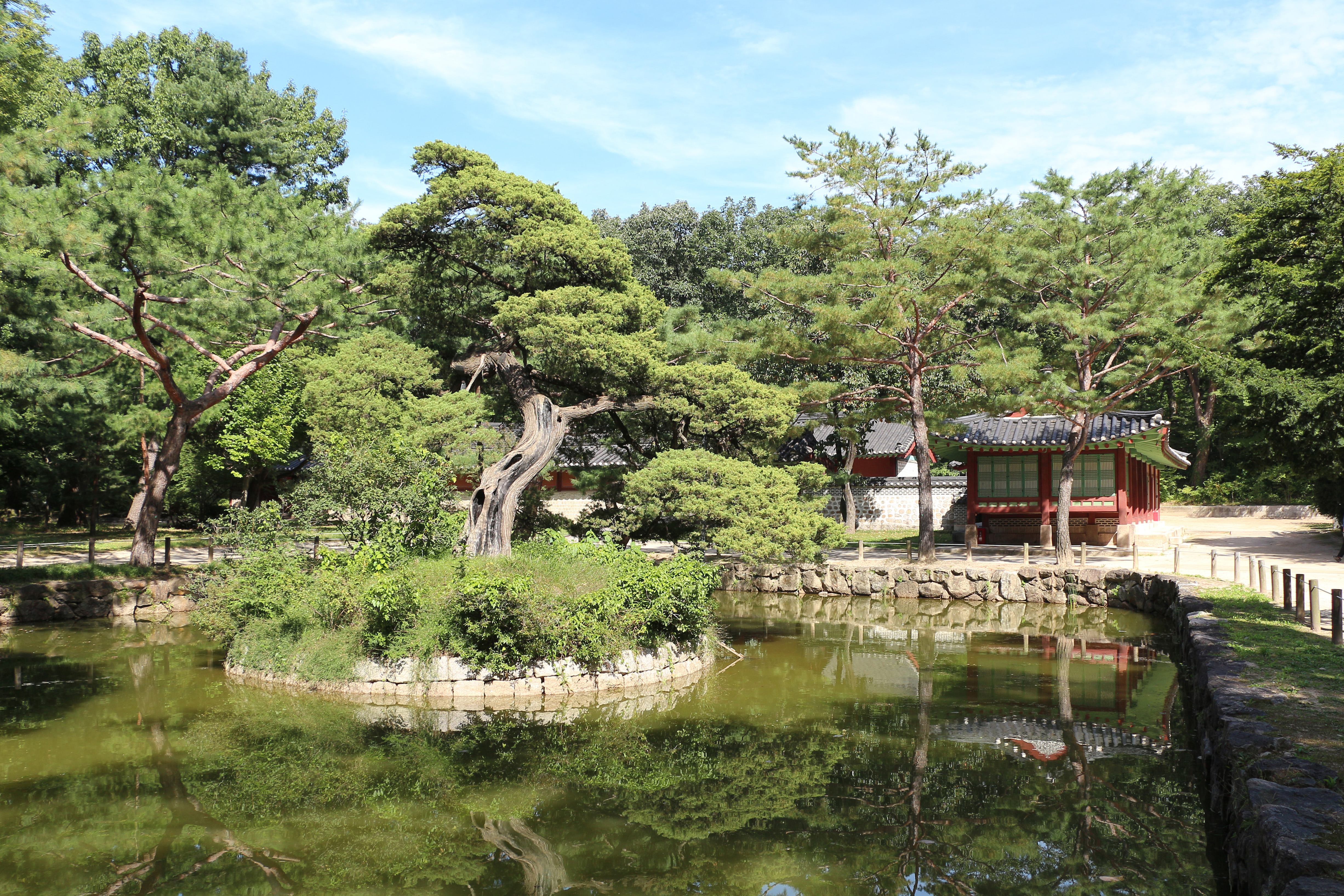
When Ikseon-dong’s crowded lanes start to feel too packed, Seosulla-gil is where Jongno 3-ga slows down. This lane runs alongside the stone walls of the UNESCO-listed Jongmyo Shrine, a Joseon-dynasty royal ancestral shrine built in 1394, and has quietly become the unofficial center of Seoul’s wholesale jewelry trade. Independent designers now sell nature-inspired fine jewelry at shops like Eever Layer, while Slow and Lit stocks handmade crystal trinkets. Cafe SaSa, tucked into a two-story hanok, is known for its mugwort latte and quiet pastry-and-coffee vibe, and craft-beer bar Seoul Gypsy gives the lane a low-key, sophisticated evening scene that’s a nice contrast to the louder pocha crowds a few streets over.
Pocha Culture: Jongno 3-ga’s After-Dark Food Scene
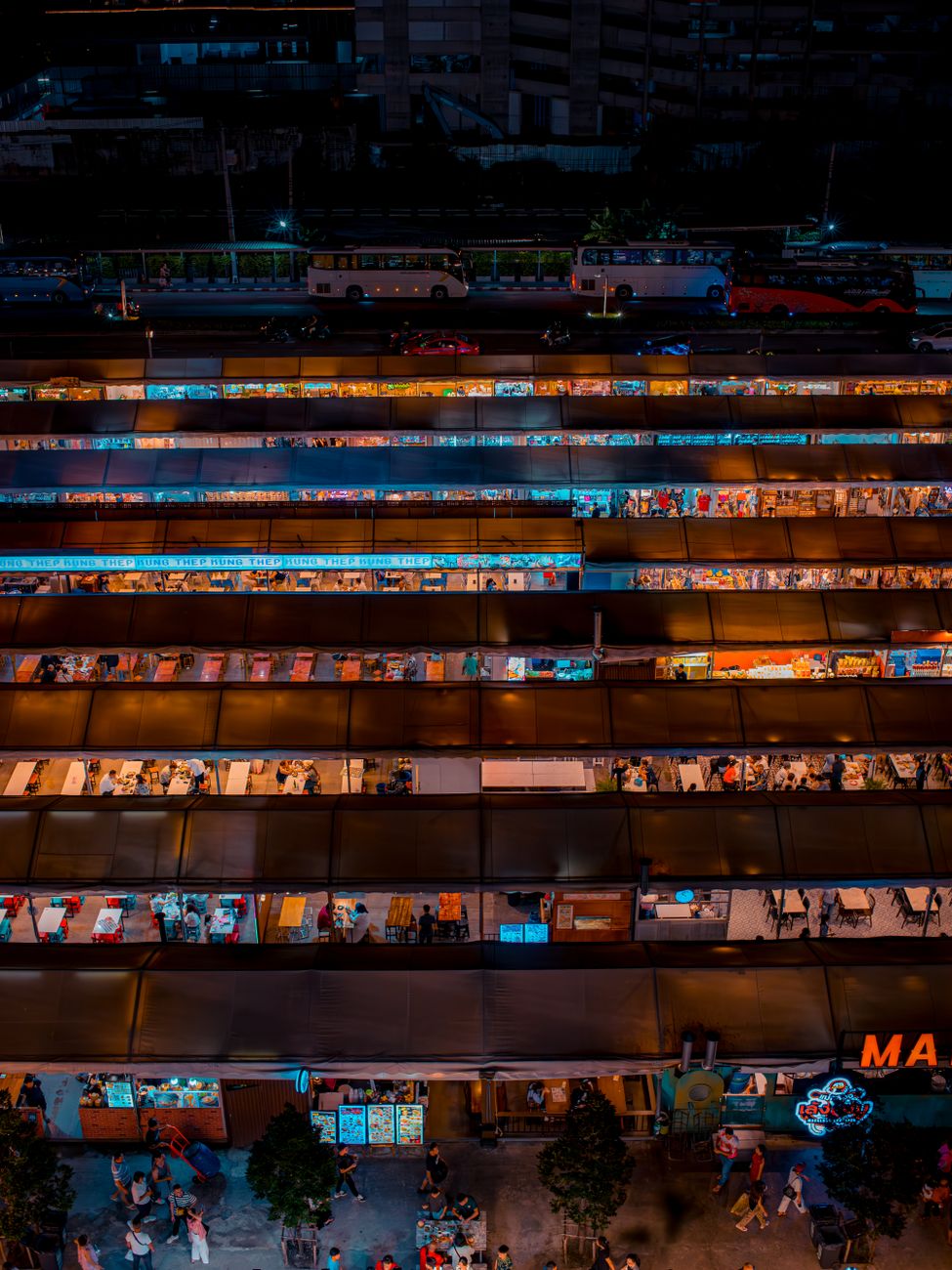
The single biggest reason Jongno 3-ga is buzzing right now is its pojangmacha (street food tent) revival. These orange-tented stalls were once just a fast, cheap dinner stop for laborers and office workers on their way home, but young locals have reclaimed them, drawn by the low prices and unpretentious, plastic-stool charm. Head to Donhwamun-ro 11-gil starting around 5pm and you’ll find tables filling up with pajeon (savory seafood-and-kimchi pancakes), grilled eel, charred squid, tteokbokki, and ramyeon, plus the notorious live octopus dish sannakji for anyone feeling brave. In autumn, ginkgo trees around the neighborhood turn gold and drop a carpet of yellow leaves, making crisp evenings under the pocha tarps especially atmospheric. If you overdo it on the makgeolli, the trendy Moxy Seoul Insadong hotel is conveniently right next door.
Best Time to Visit and How to Get There
Getting to Jongno 3-ga is easy: it sits right on Seoul Subway Lines 1, 3, and 5, with exits 4 and 6 dropping you straight into Ikseon-dong and the pocha streets. Autumn (September through November) is the best season to visit, thanks to the neighborhood’s ginkgo trees turning gold and the pocha season hitting its stride in the cool evening air, but Ikseon-dong’s cafes and shops are worth a daytime visit any time of year. Plan for a late afternoon start, browsing Ikseon-dong’s shops and cafes before the crowds pick up, then work your way to Seosulla-gil for a quieter break, and finish at the pocha tables on Donhwamun-ro 11-gil once the sun goes down. Most shops open around 11am, and the pocha scene really gets going from 5pm onward.
Frequently Asked Questions About Jongno 3-ga
Is Jongno 3-ga safe to explore at night?
Yes. The pocha streets are busy with locals and visitors well into the evening, and the area around the subway exits stays well-lit and lively. As with anywhere in Seoul, normal city precautions apply, but Jongno 3-ga’s late-night crowds are actually part of what makes it feel safe and welcoming after dark.
Is Jongno 3-ga still a local neighborhood, or has it become too touristy?
It’s genuinely both, which is exactly what Time Out praised. Elderly residents still run decades-old gukbap restaurants and barbershops in the same alleys where young creatives and international visitors now gather, and the neighborhood has resisted the kind of full gentrification that’s changed other trendy Seoul districts. That said, Ikseon-dong in particular does get crowded, especially on weekends, so visiting on a weekday or arriving earlier in the day can mean a calmer experience.
Jongno 3-ga earns its new title by being both a genuine slice of old Seoul and one of its most exciting food-and-culture scenes right now, and that’s a rare combination for a neighborhood that’s just gone viral. Whether you spend your day wandering Ikseon-dong’s hanok alleys, browsing handmade jewelry on Seosulla-gil, or pulling up a plastic stool at a pocha table after dark, you’re getting a side of Seoul that’s stayed real even while the world was watching. Add it to your Korea itinerary alongside the bigger-name districts, and give yourself more time here than you think you’ll need, this is a neighborhood built for wandering, not checking off a list.
Learn more about KWaveDaily on our About page.
Read Time Out’s full coverage of Jongno 3-ga’s world’s coolest neighborhood ranking.

