Fall foliage season in Seoul is one of the best reasons to plan a Korea trip for October or early November, and 2026 is shaping up to be a great year for it. Korea’s forest service forecasts the first color at Seoraksan around late September, with peak foliage working its way south into Seoul through mid-to-late October. Whether you have one afternoon or a full weekend, here’s where to actually go to see the leaves turn gold, orange, and red around Seoul, plus one essential day trip just outside the city.
When Is Peak Fall Foliage in Seoul in 2026?
According to the Korea Forest Service’s 2026 forecast, autumn color starts earliest at Seoraksan Mountain in late September and hits peak around October 23-25. From there, the color wave moves south and inland: Seoul’s own parks (Namsan, Bukhansan, Olympic Park) typically peak from mid-to-late October, while central and southeastern regions like Gyeongju and Naejangsan peak in early November, and the southern coast and Jeju stretch the season into mid-November. If you can only pick one window for a Seoul-based trip, mid-to-late October is the sweet spot.
Namsan Park & N Seoul Tower: The Easiest Autumn Walk in Seoul
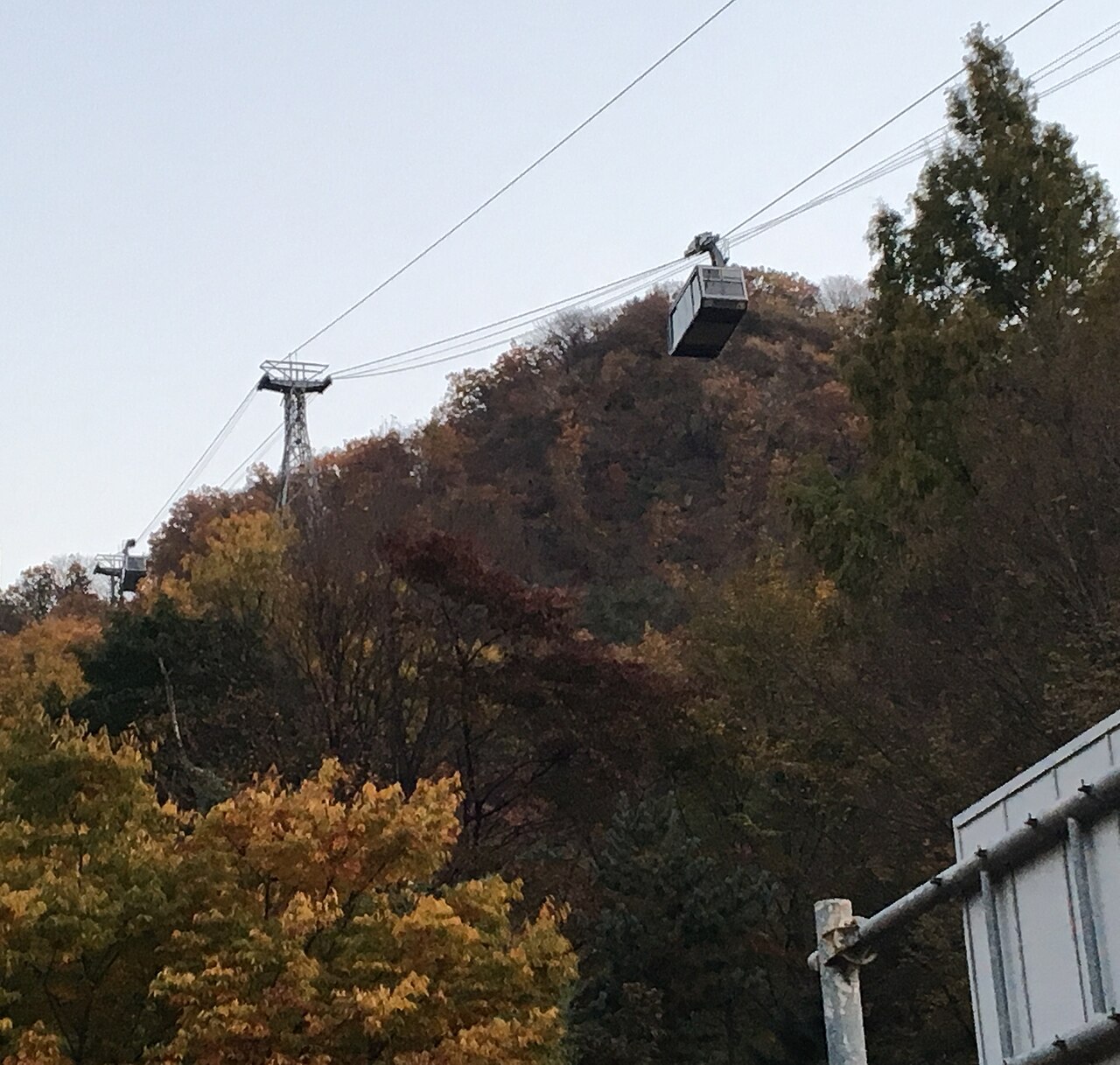
Namsan Park is the single easiest fall foliage spot in Seoul to reach, which is exactly why it’s usually the first stop on any local’s list. You can walk up through the park’s maple-lined trails, or take the Namsan cable car straight up for a faster route with a view the whole way. Once you’re at the top, N Seoul Tower gives you a 360-degree look at the city’s autumn color spreading out below, and the surrounding park paths (especially near the old city wall trail) turn a deep mix of orange and red by mid-to-late October. It’s a half-day outing at most, and it works just as well at sunset as it does in the morning.
Changdeokgung’s Secret Garden: Royal Foliage in the Heart of Seoul
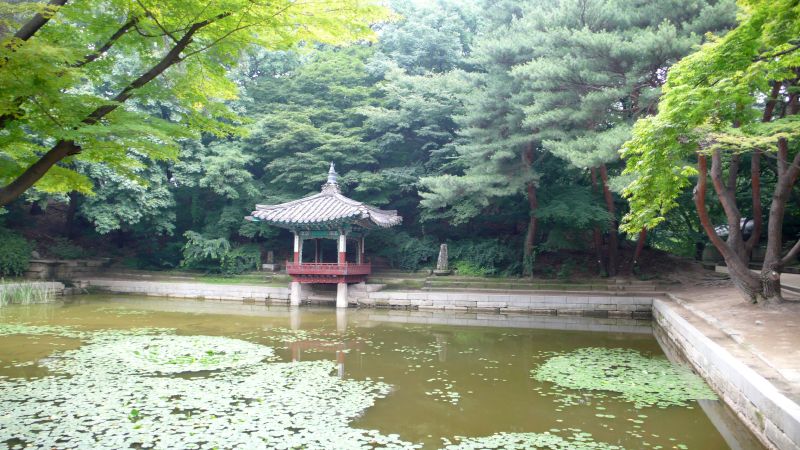
If Namsan is about the view, Changdeokgung’s Secret Garden (Huwon) is about the setting. This is the rear garden of a UNESCO World Heritage palace, built around a series of ponds, pavilions, and centuries-old trees that were specifically arranged to be admired through the seasons. In autumn, the maples around Buyongji pond and the wooded paths leading up to Juhamnu turn a mix of deep red and gold, framed by traditional wooden architecture instead of a modern skyline. Access to the Secret Garden is separate from the regular palace ticket and runs on a timed, guided-tour basis with limited daily slots, so it’s worth booking ahead through the Cultural Heritage Administration’s reservation site if you’re visiting during peak color weekends.
Nami Island: Worth the Day Trip for This Metasequoia-Lined Path Alone
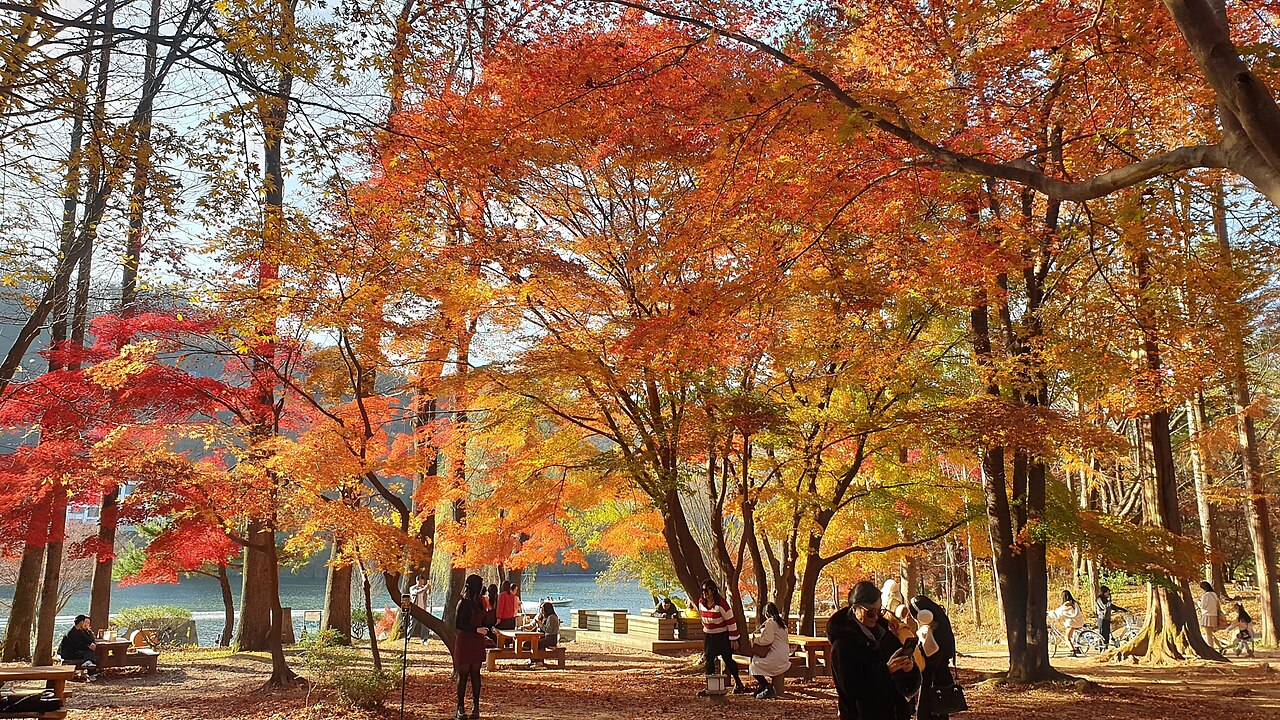
Nami Island isn’t technically in Seoul, but it’s a classic half-day trip from the city (about an hour by train or bus to Gapyeong, plus a short ferry across the river), and in autumn it’s genuinely worth the detour. The island is famous for its tunnel of towering metasequoia and ginkgo trees, which turn a deep rust-orange and gold through October, plus riverside paths where you’ll see locals and couples doing the same lap you are. It’s also the filming location that put the island on the map for international fans in the first place (Winter Sonata), so there’s a nostalgia factor layered on top of the scenery. Go on a weekday morning if you can; weekends in peak color season get genuinely crowded.
Bukhansan National Park: For the Best Panoramic Autumn Views
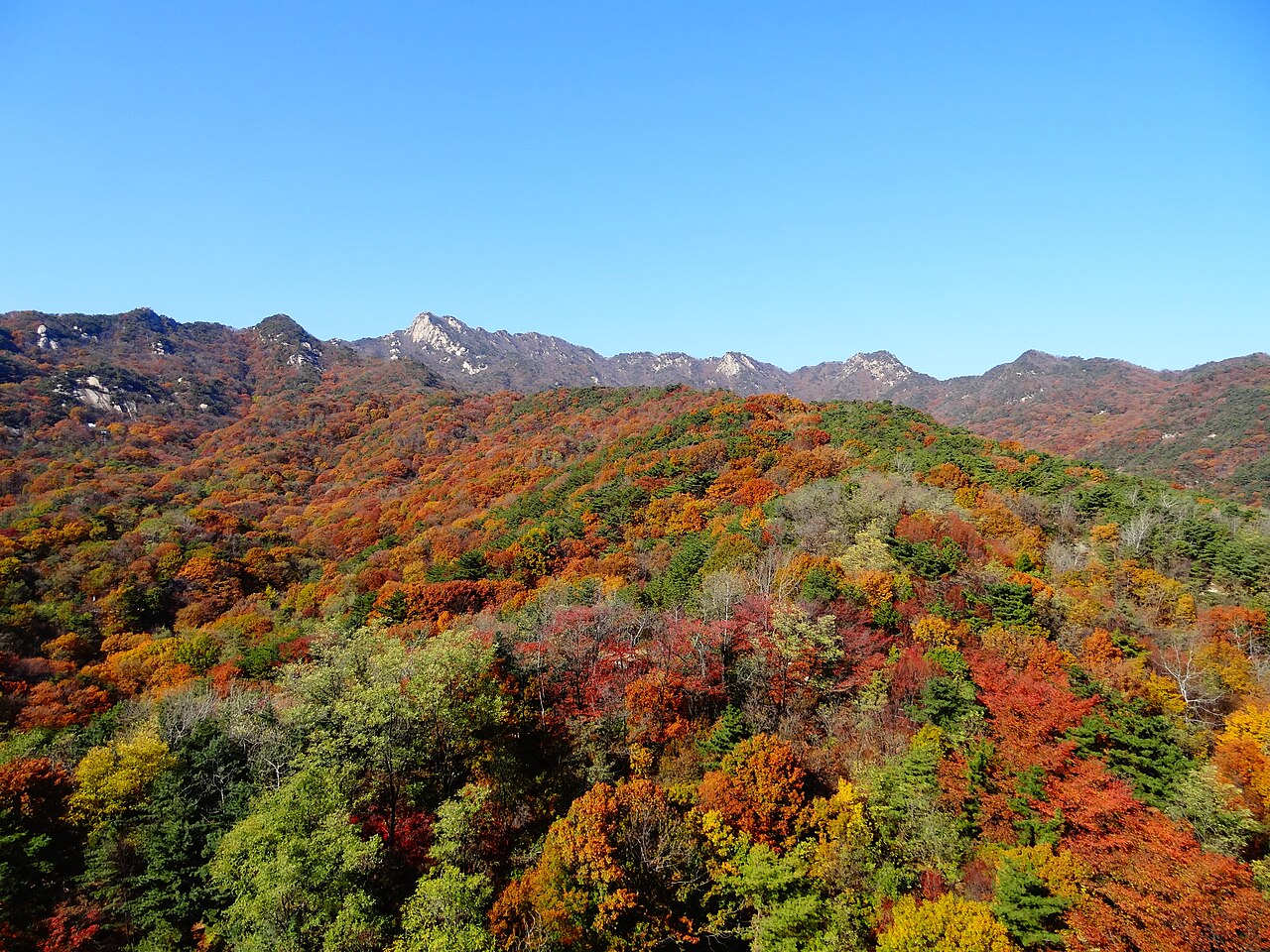
If you want fall foliage plus an actual hike, Bukhansan National Park is the move. It’s a short subway ride from central Seoul, and even moderate trails like the route up to Baegundae Peak reward you with a wide, elevated view over a city ringed in red and orange, since the park’s granite peaks rise directly out of Seoul’s northern edge. Peak color here usually arrives a little later than Namsan’s, typically in late October to early November, and because it’s a real mountain park rather than a city garden, the colors tend to hold a bit longer at higher elevations even after lower-altitude spots have started dropping leaves. Wear real shoes; parts of the main trails involve rock scrambling, not just a paved path.
Seoul Lake Park’s Silver Grass Festival: A Different Kind of Fall Color
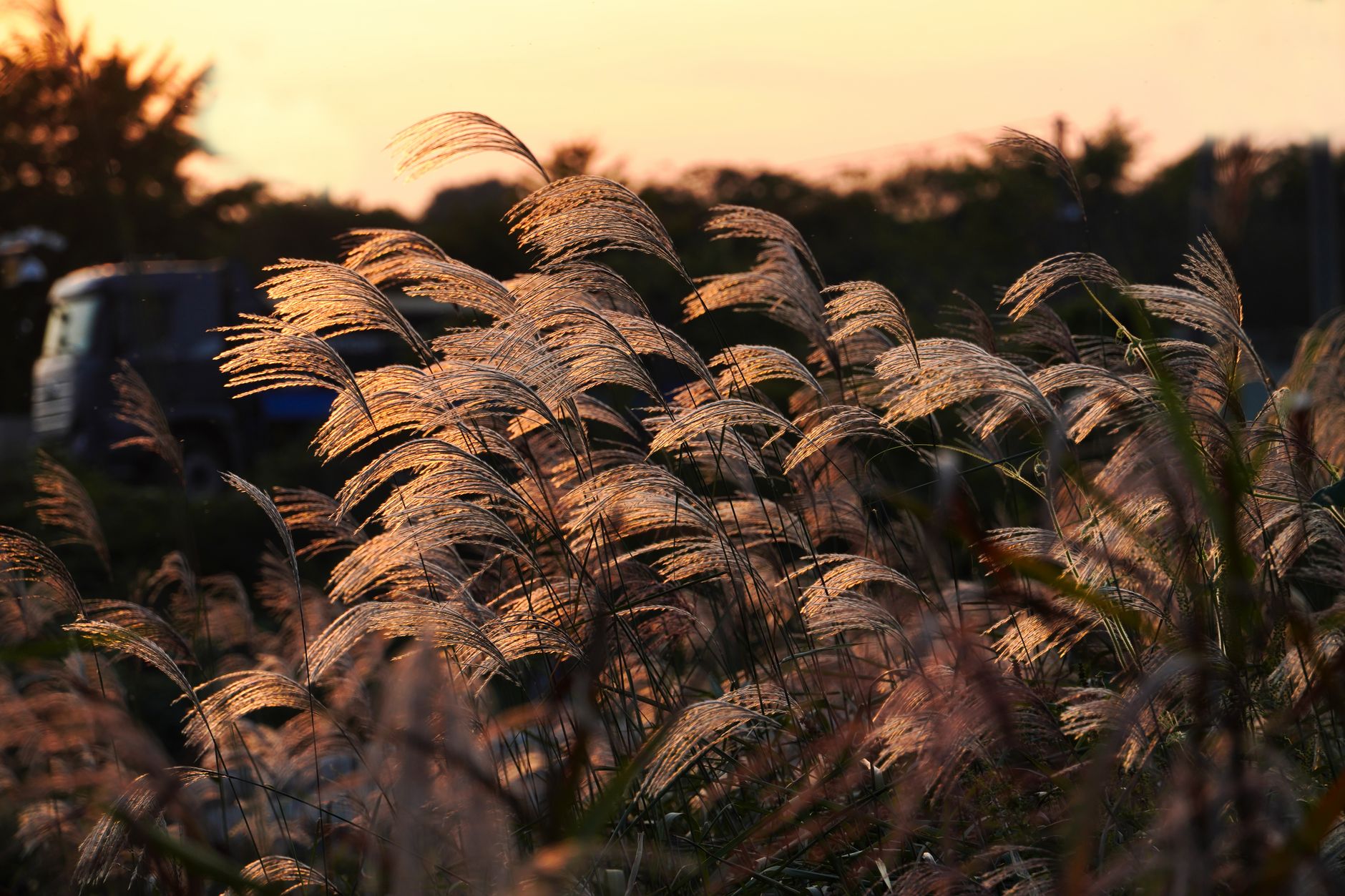
Not all of Seoul’s best fall views are red and orange. At Seoul Lake Park (formerly branded as part of World Cup Park), the Seoul Silver Grass Festival turns a hillside into a rolling sea of pale, feathery silver grass (eulalia) that sways in the autumn wind, usually running for about a week in mid-to-late October. It’s free to enter, there are photo zones built into the slope, and the park runs evening lighting and sound installations that make it worth timing a visit for dusk rather than midday. It’s an easy add-on if you’re already doing a Seoul park day, and it photographs completely differently from the maple-and-ginkgo scenery everywhere else on this list.
Fall Foliage in Seoul: FAQ
Do I need reservations to see fall foliage in Seoul?
For most spots on this list (Namsan, Bukhansan, Seoul Lake Park), no reservation is needed; just show up. The one exception is Changdeokgung’s Secret Garden, which only admits visitors through timed, guided tours with a daily cap, so book that one ahead through the Cultural Heritage Administration’s reservation site, especially for weekend visits during peak color weeks.
Is Nami Island worth it if I only have one day in Seoul?
If you truly only have one day, Namsan Park is the better use of time since it’s inside the city and takes a few hours round-trip. Nami Island is worth it if you have at least a half day free or are staying longer than a couple of days, since the round-trip travel alone (train or bus plus ferry) eats up 2-3 hours before you even start walking.
What’s the single best week to visit for peak color?
Based on the Korea Forest Service’s 2026 forecast, the last week of October through the first few days of November is the safest bet for Seoul proper (Namsan, Changdeokgung, Bukhansan). If you’re also doing Nami Island or want to catch the Silver Grass Festival, mid-to-late October overlaps with both and is a reasonable compromise window.
Seoul’s fall foliage season is short, but it’s one of the best times of year to actually be in the city: the heat and humidity of summer are gone, the crowds thin out compared to spring cherry blossom season, and you get genuinely different scenery depending on whether you head up a mountain, into a palace garden, or out to an island. Pick two or three spots from this list based on how much time you have, build in a buffer day in case the color peak shifts by a week, and you’ll have a solid autumn Seoul itinerary either way.
Official 2026 fall foliage forecast (Korea Tourism Organization)

