The Scandal Ending Explained: Does Cho-won Really Die, and Who Wins Lady Cho’s Dangerous Game?

Women wearing traditional hanbok at Gyeongbokgung Palace in Seoul, evoking the Joseon-era setting of Netflix's The Scandal

Netflix’s new Joseon-era drama The Scandal ending explained is already the most-searched K-drama topic this week, and for good reason: the show dropped all eight episodes on September 18, 2026, and immediately delivered one of the most devastating finales of the year. Starring Son Ye-jin, Ji Chang-wook, and NANA, the series reimagines the 1782 French novel Les Liaisons dangereuses and Korea’s own 2003 film Untold Scandal as a dangerous wager between two aristocrats who treat other people’s hearts like a game. If you just finished the finale and are still processing what happened to Cho-won, Lady Cho, and Hui-yeon, here’s a full breakdown of how The Scandal ends and what it actually means.

What Is Netflix’s The Scandal About?

The Scandal follows Lady Cho Yun (Son Ye-jin), a brilliant noblewoman trapped by the limits Joseon society places on women, and her cousin Cho-won (Ji Chang-wook), the kingdom’s most notorious playboy. Bored and restless, Yun proposes a wager: if Cho-won can seduce An Hui-yeon (NANA), a young widow who has vowed lifelong chastity, Yun will finally sleep with him after years of refusing. If he fails, he must impregnate So-ok, the aspiring concubine of Yun’s husband, Lord Yoo. Directed by Jung Ji-woo, the eight-episode series is a Korean reimagining of the 1782 French novel Les Liaisons dangereuses, filtered through the same source material that inspired Korea’s own 2003 hit film Untold Scandal. What starts as a cruel game of manipulation slowly turns into something none of the three can control.
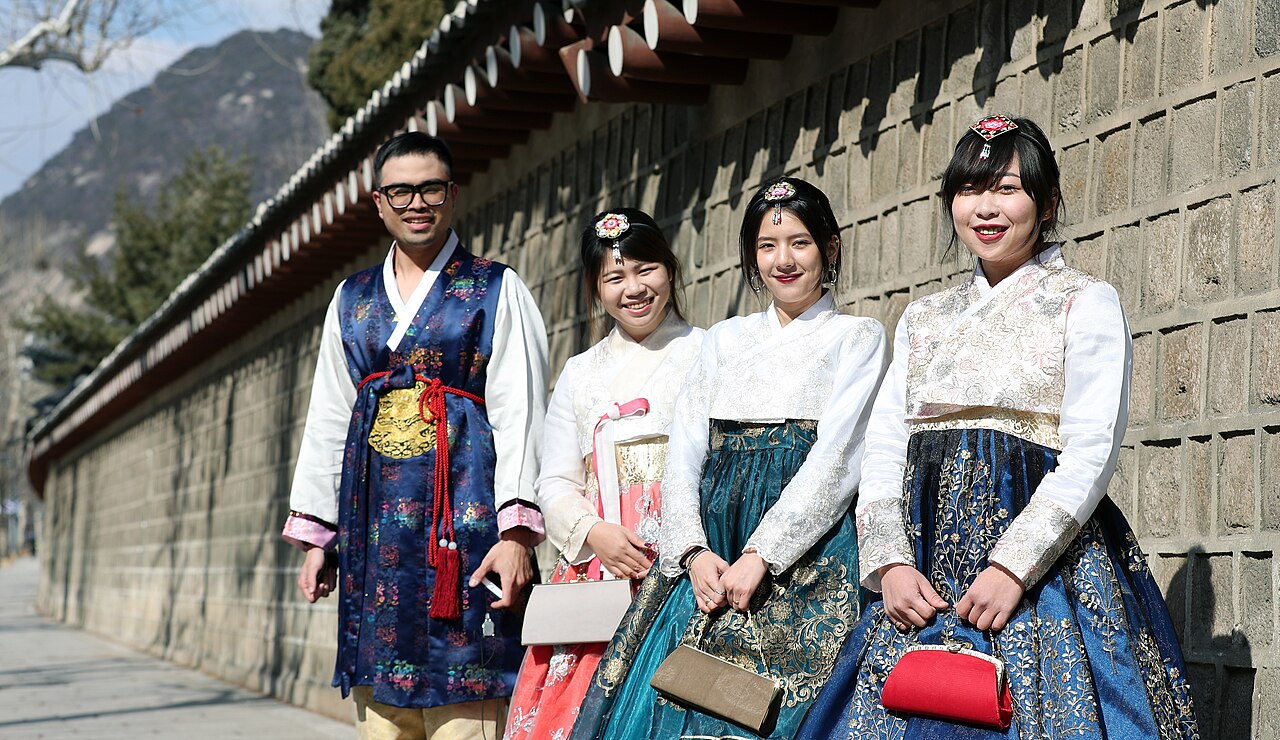
Women wearing traditional hanbok at Gyeongbokgung Palace in Seoul, the kind of Joseon-era royal palace setting seen in Netflix's The Scandal
Photo: Jeon Han / Korea.net, Wikimedia Commons (CC BY-SA 2.0)

Why Does Lady Cho Turn Against Hui-yeon?

As the wager drags on, Cho-won convinces Hui-yeon to slip away in the night, and everyone assumes she has taken her own life to preserve her honor as a widow. Her mother-in-law even pressures Lady Cho into petitioning the King for a memorial gate honoring Hui-yeon’s supposed sacrifice. There’s just one problem: Hui-yeon isn’t dead. She’s been secretly attending Catholic gatherings, and her new faith convinces her that suicide would be wrong. When she finally sleeps with Cho-won, she falls for him for real and decides she wants to live. But the King tasks Cho-won with finding Hui-yeon’s body to confirm the memorial gate request, putting Lady Cho’s cover story at risk. Yun’s solution is cold and simple: convince Hui-yeon to actually die so the lie becomes true. It’s the moment that reveals just how far Lady Cho will go to protect her own position.
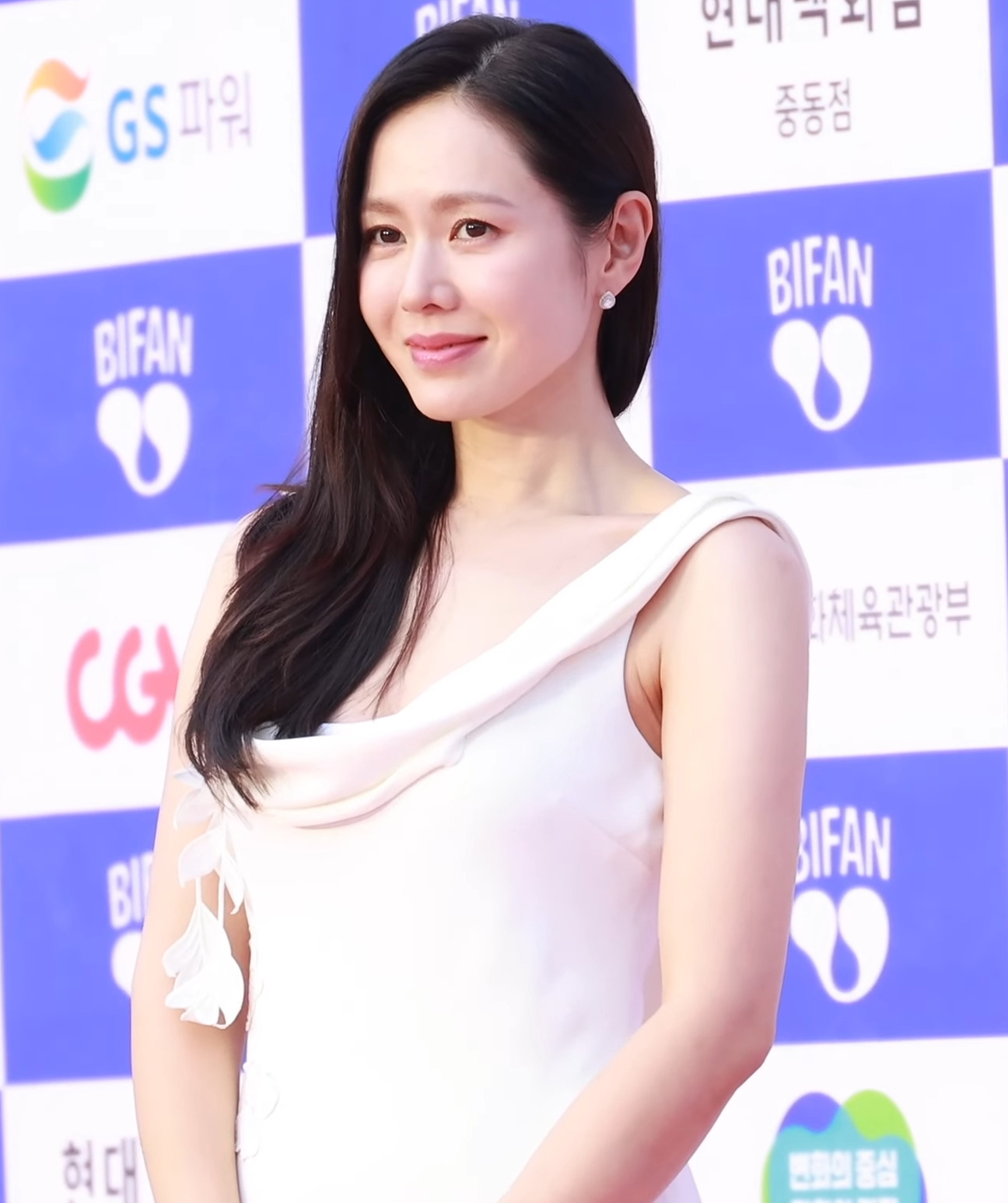
Son Ye-jin, who stars as Lady Cho in Netflix's The Scandal, at the Bucheon International Fantastic Film Festival
Photo: 티비텐 TV10 / Wikimedia Commons (CC BY 3.0)

Does Cho-won Really Fall in Love With Hui-yeon, and Does He Die at the End?

Yes, in his own damaged way, Cho-won genuinely falls for Hui-yeon. Her honesty and quiet resolve give him a version of intimacy he never got from his manipulative bond with Yun. He goes as far as arranging a ferry to Yanjing (the historical name for Beijing) so the two of them can escape together with his loyal servant Chil-seong. But when Hui-yeon shows up at Lady Cho’s home not knowing Yun engineered the whole wager, Yun asks Cho-won point-blank who he chooses. He can’t leave her, even loving Hui-yeon as he does, and lets Hui-yeon walk into the night alone. To protect her, he later finds her and confesses the whole scheme was a bet from the start, a confession that shatters her but also frees her to live her own life instead of chasing him. Cho-won then covers for Lady Cho’s forged report to the King about Hui-yeon’s death, gets caught in the lie anyway, and is permanently banished from the King’s presence. Alone and out of options, he boards the ferry to Yanjing by himself, then jumps into the river mid-crossing. The boatman only finds his floating hat. The show never confirms whether he actually dies. His former servants keep wondering if he’s alive, and letters keep arriving at his old house months later, leaving his fate deliberately unresolved.
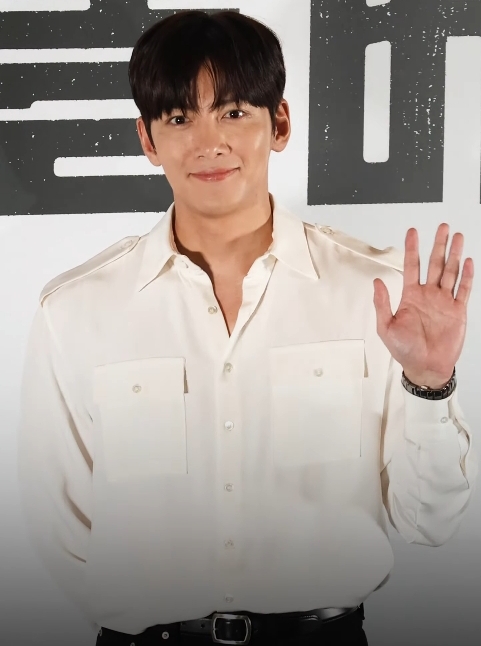
Ji Chang-wook, who plays Cho-won in Netflix's The Scandal, at a 2024 press conference
Photo: K-POPIT 케이팝잇 / Wikimedia Commons (CC BY 3.0)

What Happens to Hui-yeon, Lady Cho, and the Rest of the Cast?

Hui-yeon survives, but not happily. She keeps practicing her secret Catholic faith and has to flee into the night when a former servant recognizes her at a hidden service. She eventually visits Cho-won’s old home, where his loyal servant comforts her with tea and a stack of unsent letters from Lady Cho, without being able to offer the comfort of confirming he’s still alive. Lady Cho technically wins her game. She keeps her status, her comfortable household, and her marriage to Lord Yoo. But the finale’s last shot shows her alone at her writing desk with no one left to write to, a woman who has everything society told her to want and nothing she actually needed. So-ok, the concubine caught in the middle of the wager, ends up pregnant by her real love interest, In-ho, and seems happy for now, though the show hints her situation is far from secure. The one couple who gets something close to a real happy ending is Cho-won’s servants, Chil-seong and Eun-sil, whose freedom Cho-won purchased before disappearing. In the final episode, they’re shown together with a baby and a steady income, a quiet contrast to the miserable lives of the nobles who spent the whole series playing games with other people’s hearts.
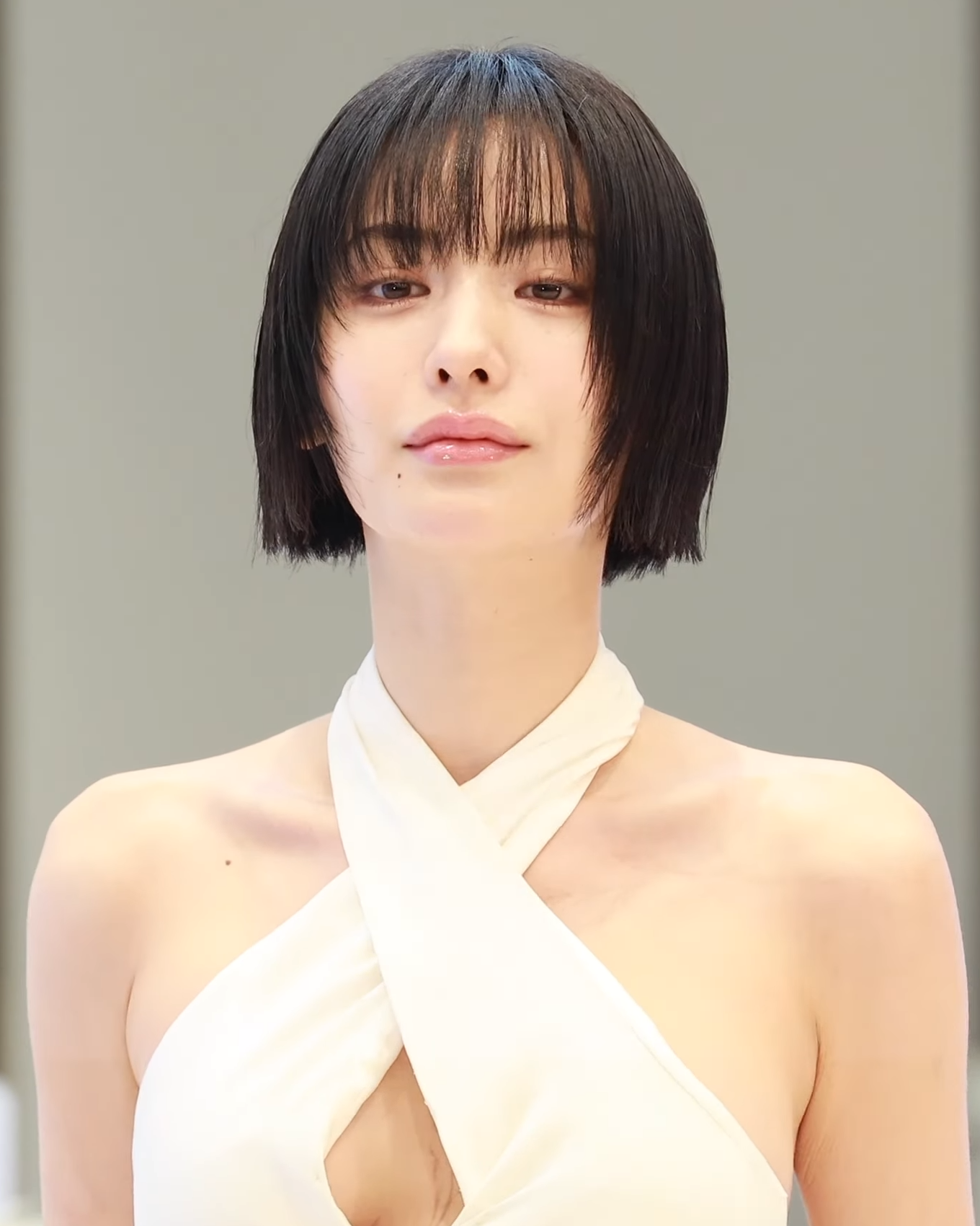
NANA, who plays Hui-yeon in Netflix's The Scandal, at a 2025 photo call
Photo: 티비텐 / Wikimedia Commons (CC BY 3.0)

The Scandal: Frequently Asked Questions

Is The Scandal based on a true story?

No. The Scandal is a Korean adaptation of the 1782 French novel Les Liaisons dangereuses, filtered through the same source material that inspired Korea’s own 2003 film Untold Scandal. The Joseon-era setting, characters, and plot are fictional.

How many episodes does The Scandal have?

The Scandal has eight episodes, and Netflix released the entire season at once on September 18, 2026, so you can binge the whole story in one sitting.

Will there be a Season 2 of The Scandal?

Netflix has not announced a second season as of this writing. The ambiguous ending, which never confirms whether Cho-won survives, leaves the door open narratively, but nothing has been confirmed by Netflix or the production team.

The Scandal ending explained in one line: everybody technically survives the wager, but nobody actually wins it. Lady Cho keeps her status but loses the one person who understood her. Hui-yeon keeps her life but loses the future she wanted. And Cho-won, the one who finally tried to choose love over pride, disappears into the river before we ever find out if he gets to start over. It’s a bittersweet, morally messy finale that stays true to its 18th-century source material while giving Son Ye-jin, Ji Chang-wook, and NANA some of the best material of their careers.

Want more K-drama breakdowns like this one? Learn more about what KWaveDaily covers on our About page.

For the full cast, production credits, and background on The Scandal, check out its Wikipedia page.
K-Pop’s Biggest Luxury Fashion Ambassadors in 2026: Who’s Repping Chanel, Dior, Prada, and More

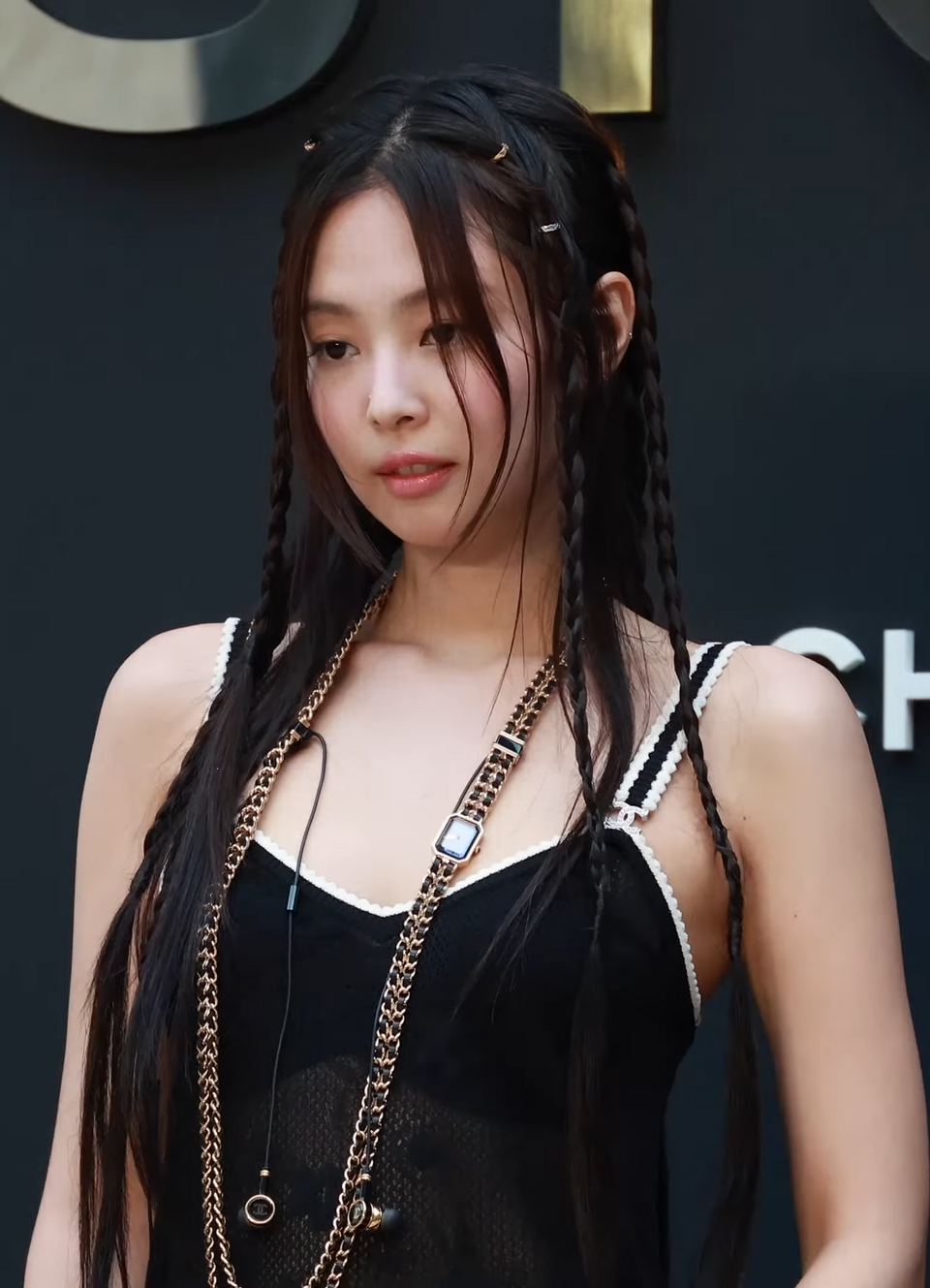
Blackpink's Jennie wearing Chanel Coco Crush jewelry, Chanel's 2024 fine jewelry campaign

K-pop idols aren’t just topping music charts in 2026, they’re running the front row at fashion month, too. From Milan to Paris, Blackpink’s Jennie, Lisa, and Jisoo, aespa’s Karina, Ive’s Jang Wonyoung, and BTS’s Jin have turned brand ambassadorships into a full-blown industry, generating millions in earned media value and selling out products within hours of a single appearance. Luxury houses like Chanel, Dior, Prada, and Louis Vuitton are leaning harder than ever into K-pop star power, and the results are reshaping how global fashion campaigns get cast. Here’s a real, verified look at who’s repping what right now, and why it matters so much to the brands writing the checks.

Jennie of Blackpink: Chanel’s “Human Chanel” Effect

Jennie has been Chanel’s global ambassador since 2019, and by 2026 fans call the pairing simply “Human Chanel.” At the brand’s Spring/Summer 2026 Paris Fashion Week show, she wore a lemon-yellow shoulder bag that sold out within days, a moment insiders now call the “Jennie Effect.” She also fronted Chanel’s Coco Crush fine jewelry campaign and returned for the label’s Métiers d’Art show in Seoul. Beyond Chanel, Jennie stars in Adidas Originals’ Superstar Spring 2026 campaign alongside Kendall Jenner, represents Calvin Klein and Ray-Ban, and serves as a muse for Jacquemus and Hera Beauty, making her one of the most bankable faces in global fashion right now.

Blackpink's Jennie wearing Chanel Coco Crush jewelry, the brand's 2024 fine jewelry campaign
Photo: 티비텐 / Wikimedia Commons (CC BY 3.0)

Lisa of Blackpink: Louis Vuitton’s House Ambassador and Nike’s New Face

Lisa operates as one of K-pop’s most globally integrated brand faces. She’s a Louis Vuitton house ambassador, appearing in a fully-knit ensemble from the label’s Cruise collection at the Spring/Summer 2026 show at the Louvre, and she also represents Celine and remains a high-jewelry muse for Bulgari. Her 2026 milestone is a long-term ambassadorship with Nike, positioning her as a flagship face bridging athleisure and high fashion, alongside a Nike x Skims collaboration she fronted in February. Lisa also serves as a beauty ambassador for MAC Cosmetics and stepped into design herself with a guest-designer collaboration for Kith Women’s Spring 2026 line.

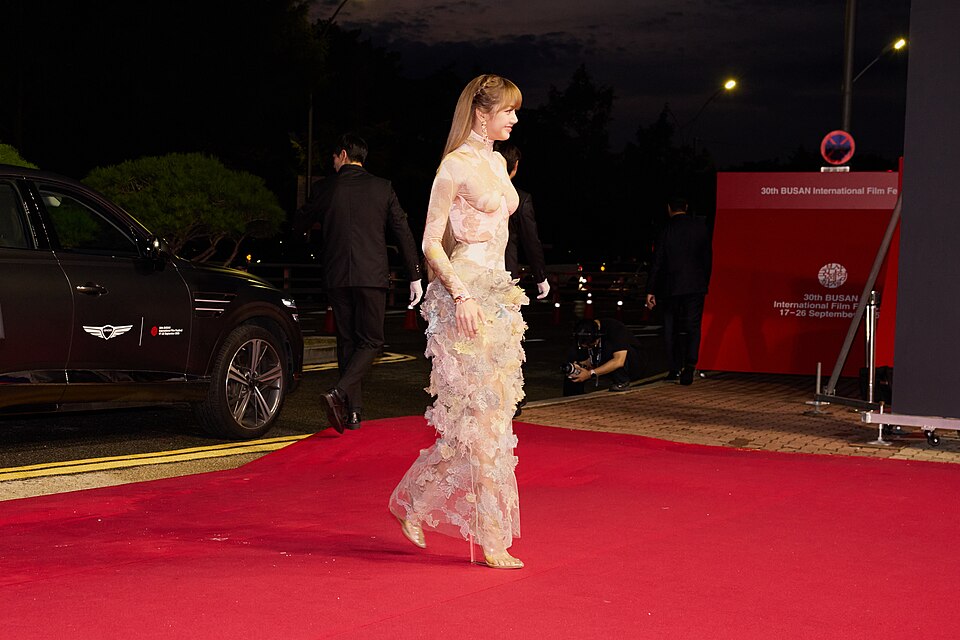
Lisa of Blackpink at the Busan International Film Festival 2025, wearing a designer look
Photo: Outhere505 / Wikimedia Commons (CC BY-SA 4.0)

Karina of Aespa: Prada’s Multi-Million-Dollar Muse

Aespa’s Karina has become Prada’s breakout ambassador of the decade. Her appearance at Prada’s Fall/Winter 2026 menswear show in Milan in January made her the season’s top-influencing attendee, generating an estimated 6 million dollars in earned media value from a single red-carpet moment. She returned to Milan again in March for the brand’s FW26 womenswear show, wearing an unreleased look from Prada’s upcoming “Days of Summer 2026” collection paired with Prada Fine Jewelry. Beyond Prada, Karina is the face of YSL Beauty and appears in campaigns for Converse, Nordisk, Acuvue, Dyson Hair, and Mediheal, giving her one of the widest brand portfolios of any fourth-generation idol.

Aespa's Karina at an airport departure in 2025, styled in a fashion-forward outfit
Photo: TV10 / Wikimedia Commons (CC BY 3.0)

Jisoo of Blackpink: Dior and Cartier’s Cinematic Icon

Jisoo’s brand portfolio reads like a curated gallery. She remains Dior’s global ambassador across both fashion and beauty, the role that first defined her as one of K-pop’s most polished luxury faces, and she attended the brand’s Spring/Summer 2026 Paris show alongside BTS’s Jimin. She deepened her jewelry credentials in 2026 as a high-jewelry ambassador for Cartier, while also fronting Tommy Hilfiger’s Spring 2026 global campaign and representing Salomon for outdoor and sport style. Rather than chasing every deal available, Jisoo’s strategy favors fewer, higher-impact partnerships chosen to reinforce a specific, cinematic image.

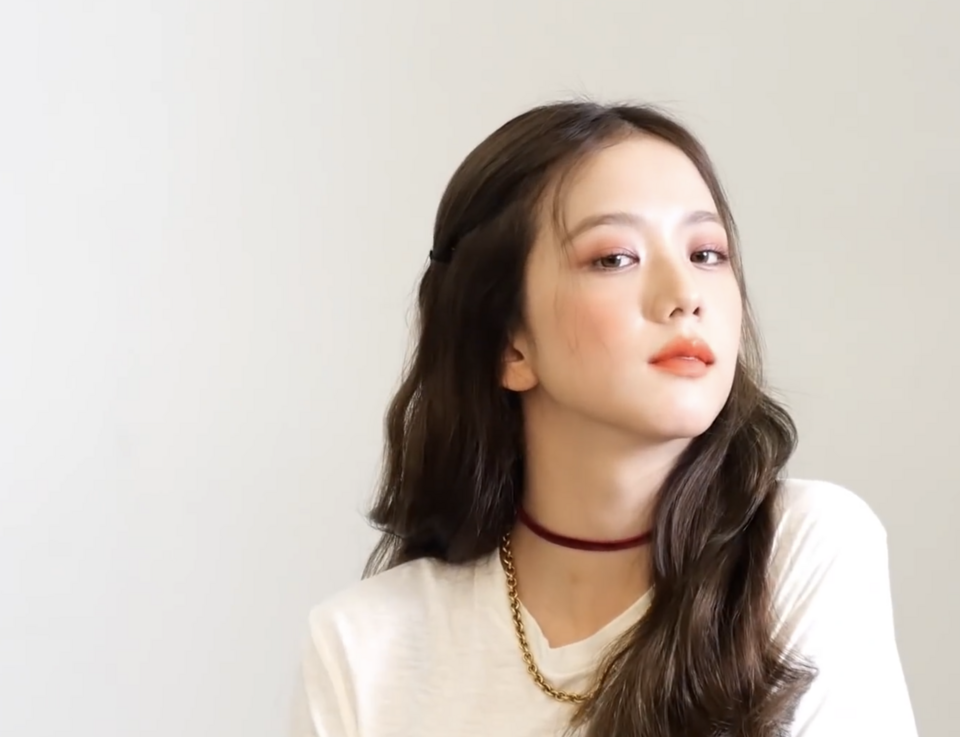
Kim Ji-Soo of Blackpink wearing Dior, the luxury house she has represented as global ambassador since 2015
Photo: Marie Claire Korea / Wikimedia Commons (CC BY 3.0)

Jang Wonyoung of Ive: Miu Miu’s Office Siren

Ive’s Jang Wonyoung defined one of 2026’s biggest viral fashion moments with a single outfit. Her appearance at a Miu Miu show went viral for its geek-chic styling, a grey top with ruched detailing, a matching midi skirt, socks, and black loafers, and that look became the blueprint for the “office siren” aesthetic that flooded TikTok and Instagram afterward. Wonyoung also represents French jeweler Fred, giving her a foothold in both fast-moving trend fashion and heritage luxury at the same time. Her fellow Ive member An Yujin has carved out her own luxury lane too, serving as a global ambassador for Fendi, proving Ive’s influence in fashion now runs deep across the group.

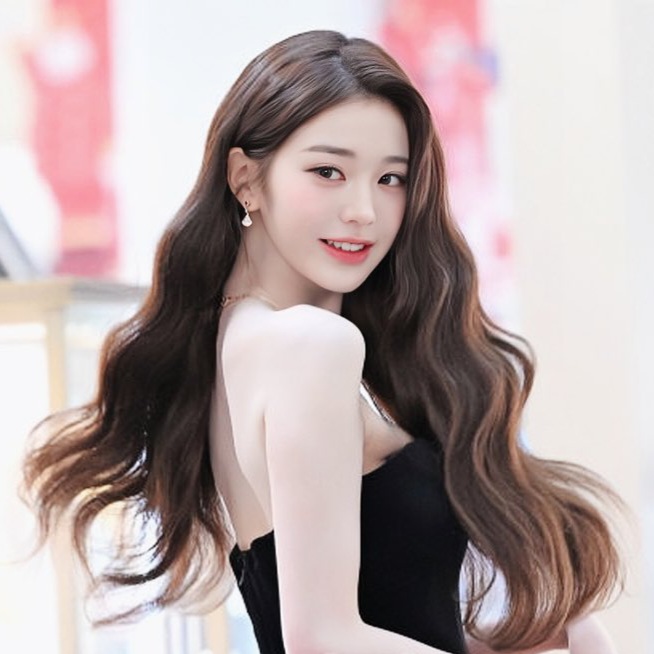
Jang Wonyoung of Ive portrait, 2025, the Miu Miu and Fred ambassador known for her office siren fashion moment
Photo: Jangkkuinyourheart / Wikimedia Commons (CC0)

Jin of BTS: Gucci’s Newest Ambassador After His Military Discharge

With BTS now fully reunited after every member completed South Korea’s mandatory military service, Jin has emerged as one of the most commercially sought-after male idols in K-pop, turning a compact brand slate into outsized visibility. His 2026 breakthrough is Gucci, where he now serves as a global ambassador, giving him a rare foothold in the upper echelon of European luxury menswear. Jin also became the first male global ambassador for French jeweler Fred, and the first male global ambassador for Korean skincare brand Laneige, a move that reframes K-beauty as a gender-neutral, aspirational category rather than a women-only space.

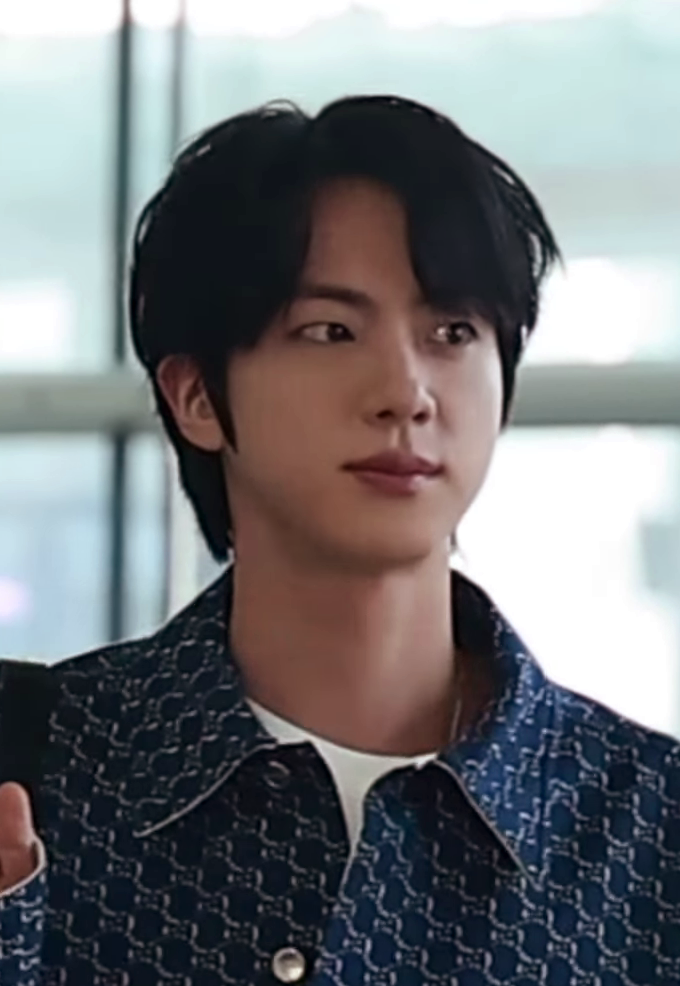
BTS's Jin at an airport departure in 2025, now a Gucci, Fred, and Laneige global ambassador
Photo: TV10 / Wikimedia Commons (CC BY 3.0)

FAQ: K-Pop Idols and Luxury Fashion Ambassadorships

Why are luxury brands choosing K-pop idols as ambassadors right now?

K-pop idols bring built-in, highly engaged global fanbases that translate directly into sales and viral moments, from sold-out bags to trending TikTok looks. A single red-carpet appearance, like Karina’s Milan show, can generate millions in earned media value, far outpacing a typical celebrity endorsement.

Which luxury brand has signed the most K-pop idol ambassadors?

Chanel and Prada currently lead the pack. Chanel has long anchored its roster around Jennie and NewJeans’ Minji across its fashion, beauty, and jewelry lines, while Prada has aggressively signed fourth and fifth-generation faces like Karina and Meovv’s Gawon, betting on younger idols to reach Gen Z and Gen Alpha shoppers.

Do K-pop idols only attend fashion shows, or do they design too?

Both, increasingly. Most idols still work primarily as ambassadors, wearing runway looks and fronting campaigns, but a growing number step into actual design roles. Lisa co-designed a guest collection for Kith Women’s Spring 2026 line, and Jennie has been credited as a creative collaborator on pieces for Adidas and Jacquemus, signaling that brands now want these idols shaping products, not just modeling them.

The Bottom Line

From Jennie’s Chanel-defining moments to Karina’s multi-million-dollar Milan runs and Jin’s post-military Gucci debut, K-pop’s biggest names have become inseparable from global luxury fashion in 2026. The pattern is clear: brands aren’t just borrowing idols’ star power for a single campaign anymore, they’re building long-term identities around them. Expect this trend to keep accelerating as more fourth and fifth-generation idols break into the fashion-week circuit.

Learn more about Blackpink on Wikipedia

More K-Culture coverage: About KWaveDaily

Seongsu-dong Travel Guide: Seoul’s Coolest K-Beauty and K-Pop Neighborhood

Seongsu-dong street lined with storefronts, Seoul, the neighborhood known as the Brooklyn of Seoul

Seongsu-dong has quietly become the neighborhood every K-culture fan needs on their Seoul itinerary, and it is not hard to see why. Once a gritty district of shoe factories, this corner of eastern Seoul is now ranked among the world’s coolest neighborhoods, packed with the country’s biggest K-beauty flagship stores, idol-connected fashion brands, and warehouse cafes that locals and tourists alike can’t stop posting about. SM Entertainment even moved its own headquarters here in 2021. Whether you are hunting for skincare, chasing K-pop connections, or just want the best coffee in the city, here is exactly where to go and why Seongsu-dong earns the hype.

Why Seongsu-dong Became Seoul’s Coolest Neighborhood

Seongsu-dong, a neighborhood in Seoul’s Seongdong District, spent decades as an industrial zone lined with small-scale shoe factories. Young creatives began moving in around 2011 for the cheap rents and good subway access, and the transformation snowballed from there: old red-brick warehouses became galleries, cafes, and concept stores while keeping their raw, factory-era bones intact. The turning point for K-pop fans came in 2021, when SM Entertainment relocated its headquarters here and opened KWANGYA SEOUL, its retail and content experience store, cementing Seongsu-dong’s status as a genuine K-culture destination rather than just a design-crowd hangout. Today the area is ranked among the world’s coolest neighborhoods, and it earns that reputation through the specific stores and streets covered below.

Industrial brick buildings in Seongsu-dong, Seoul, the former shoe-factory district now home to trendy shops
Photo: CartoonChess / Wikimedia Commons (CC BY-SA 4.0)

Olive Young N Seongsu: Korea’s Biggest K-Beauty Playground

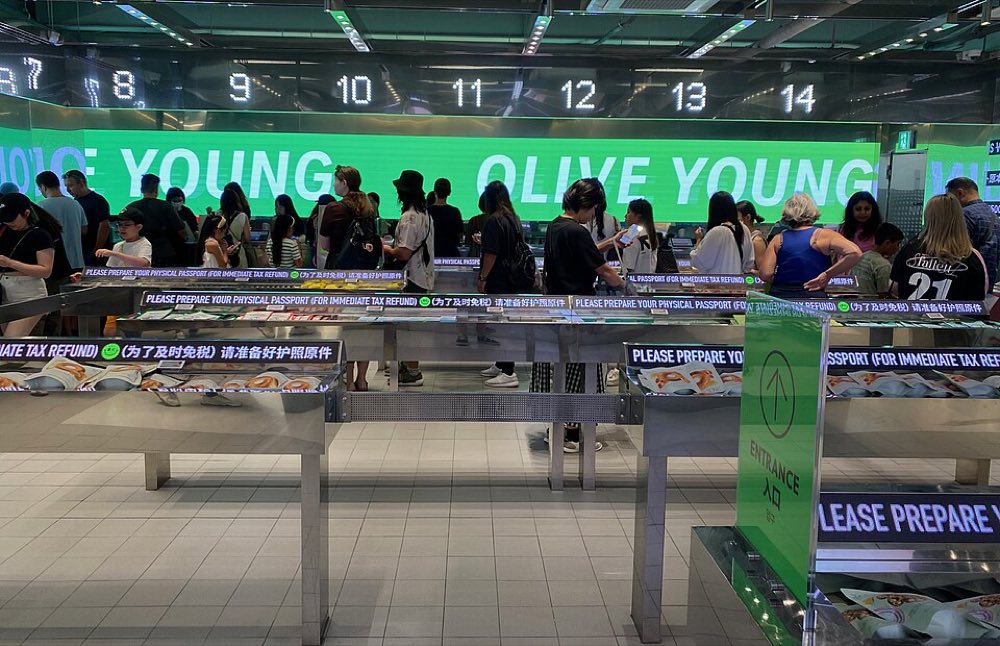
If you only have time for one K-beauty stop in Seoul, make it Olive Young N Seongsu. At roughly 1,400 pyeong (about 4,600 square meters) spread across five floors, it is the single largest Olive Young store in the country, located at 서울 성동구 연무장7길 13 팩토리얼 성수 and open daily from 10:00 to 22:00. Beyond the usual wall-to-wall skincare and makeup, this flagship has a dedicated K-pop Now zone, interactive photo spots, and a members-only lounge, plus tax refunds and translated recommendation lists that make checkout easy for international visitors. Staff here are used to foreign shoppers, so it is a comfortable place to ask questions even if your Korean is limited.

Olive Young cosmetics store storefront in Seoul (Myeongdong branch), representative of the brand's retail presence
Photo: Sgroey / Wikimedia Commons (CC BY-SA 4.0) — Olive Young storefront, Myeongdong

Musinsa Beauty and the K-Pop Idol Brands Worth Seeking Out

Just off Yeonmujang-gil sits Musinsa Megastore Seongsu, which opened in April and runs roughly 6,600 square meters across four floors with about 1,000 brands under one roof. The second floor houses Musinsa’s first offline beauty store, stocking about 7,500 items from around 700 brands, including celebrity-linked labels you will not find at Olive Young: Glyf, founded by K-pop singer Jeon Somi, and Two Slash Four, from makeup artist Risabae. Luxury names have been moving in too, with NARS opening a pop-up here alongside MAC and Miu Miu in Musinsa’s growing beauty lineup, and new dedicated Musinsa Beauty road shops are planned for Hongdae and Seongsu later this year. For fans who want their shopping trip to double as a K-pop pilgrimage, this is one of the most rewarding stops in the neighborhood.

Modern clothing store interior with racks of apparel, representative of Musinsa Megastore Seongsu's retail floors
Photo by stein egil liland on Pexels.com

Tamburins, Amore Seongsu, and the Flagship Beauty Stores

Beyond the two megastores, Seongsu-dong is dotted with standalone flagship beauty spaces worth building into your route. Tamburins, the art-driven perfume and skincare brand under the same group as Hybe, runs its striking Seongsu flagship as part gallery, part fragrance lab, with rotating art installations that change the vibe every few months. Amore Seongsu, AmorePacific’s experience showroom, is another essential stop: it offers free product testing and samples across the company’s Korean beauty lines, built around a man-made stream that runs through the building. Torriden also has a dedicated Seongsu space, Torriden Connect, for hands-on testing of its cult-favorite hyaluronic acid line. None of these require an entrance fee, and most are designed to be walked through slowly rather than rushed.

Cafes and Seoul Forest: Where to Recharge Between Shopping

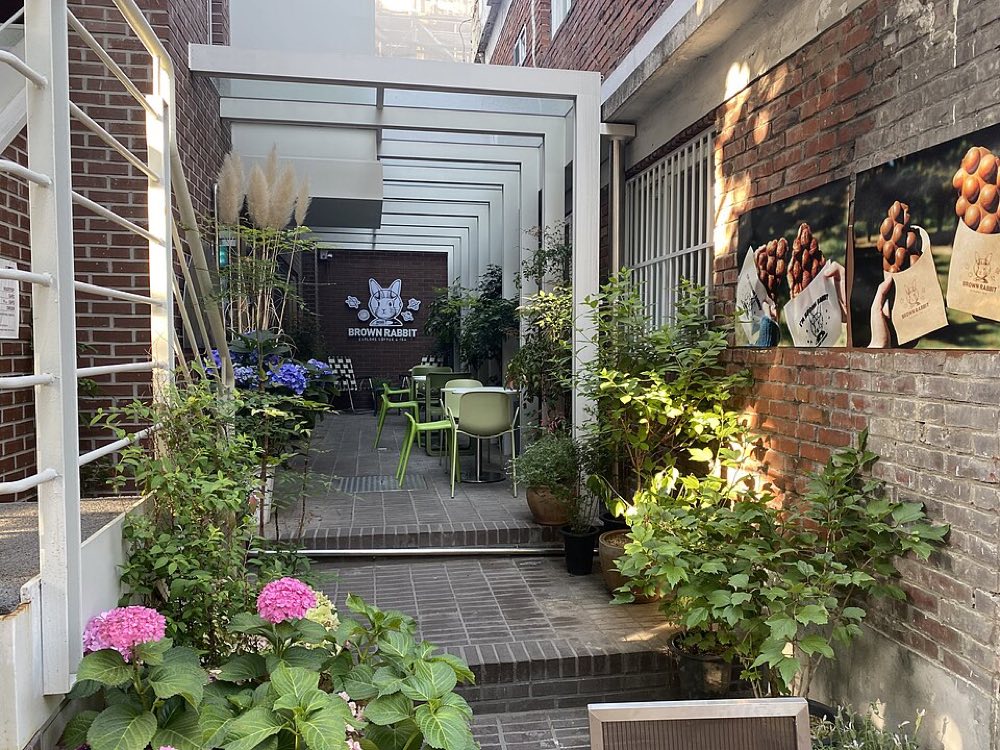
Seongsu’s warehouse-cafe culture is what put the neighborhood on the map before the beauty brands ever arrived, and it is still worth building time into your day. Cafe Knotted, a donut shop with a vintage American cartoon theme, now has nine locations across Seoul, but the Seongsu outlet remains its largest and most spacious. Grandpa Factory converted an old industrial space into a cafe with a genuine treehouse inside, plus a brunch menu generous enough to justify the wait. For something calmer, Seoul Forest itself, the city’s third-largest park, sits right at the edge of the district and makes an easy green break between shopping stops. Seongsu Yeonbang, a former factory turned three-story complex, packs cafes, a bookstore, and lifestyle shops under one roof if you would rather stay indoors.

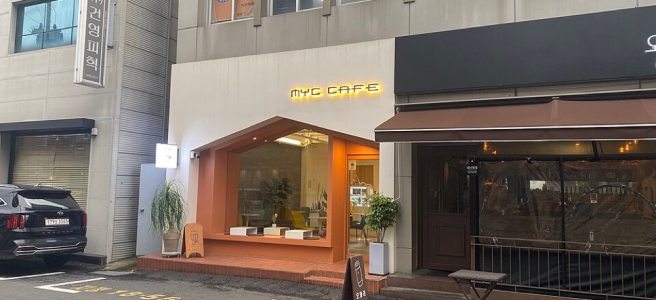
Flowery cafe storefront in Seongsu-dong, Seoul, part of the neighborhood's warehouse cafe culture
Photo: CartoonChess / Wikimedia Commons (CC BY-SA 4.0)

Where to Eat: Galbi Alley and Beyond

Right outside Seoul Forest, Seongsu-dong Galbi Alley is one of the neighborhood’s best-kept secrets among locals: a street lined with Korean barbecue restaurants and outdoor tables where you grill your own meat over charcoal. Most stalls serve similar cuts, but the grilled spare ribs in a sweet soy marinade are the thing to order. If you want something different, Seongsu Yeonbang’s food hall includes Chang Hwa Dang, whose original branch appeared in the 2019 hit drama Hotel Del Luna, and Girl’s Mill, known for healthy Korean set meals built around rice and banchan side dishes. Between the galbi smoke, the factory-turned-food-hall energy, and the steady stream of K-beauty shoppers passing through, dinner here feels like a natural extension of the day rather than an afterthought.

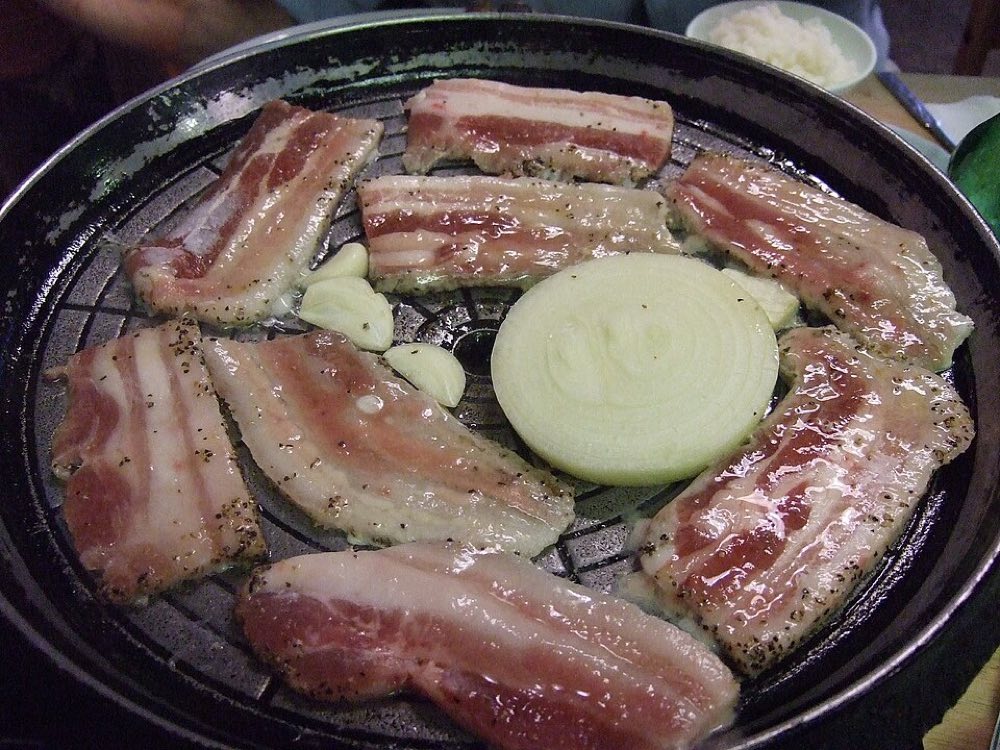
Samgyeopsal, grilled Korean pork belly barbecue, representative of the Korean BBQ dining found at Seongsu-dong Galbi Alley
Photo: hellochris / Wikimedia Commons (CC BY 2.0)

Seongsu-dong FAQ

How do I get to Seongsu-dong?

Take Seoul Subway Line 2 to Seongsu Station and use exit 3 or 4 for the main shopping and cafe area. The district is also just one stop past Konkuk University on the same line, so it pairs easily with other eastern Seoul stops.

What’s the best time to visit Seongsu-dong?

Weekdays are noticeably quieter, especially in the morning before the cafe crowds arrive. Weekends bring the most energy, with pop-up stores and street activity in full swing, but also the biggest crowds at Olive Young N Seongsu and Musinsa Megastore, so plan for lines if you go on a Saturday afternoon.

Is Seongsu-dong good for K-pop fans specifically, not just K-beauty shoppers?

Yes. SM Entertainment’s KWANGYA SEOUL retail and content space is here, and Musinsa Beauty carries idol-founded brands like Glyf, from Jeon Somi, that are hard to find elsewhere. Combined with the neighborhood’s general density of aesthetic photo spots, it is a natural stop for K-pop fans even without a specific fan-site or agency tour on the itinerary.

Seongsu-dong packs an unusual amount into a single walkable district: the country’s largest Olive Young, a K-pop idol beauty pipeline through Musinsa, art-gallery-grade flagship stores, and warehouse cafes that started the whole trend in the first place. Give it a full day rather than a quick stop, start early to beat the weekend crowds, and let the shopping and the K-pop spotting happen in the same afternoon.

Learn more about KWaveDaily on our About page.

For the full history of the neighborhood, see the Seongsu-dong Wikipedia page.

My Bias, My Boss Ending Explained: Do Da-reum and Ha-gi Get Their Happy Ending?

Modern Seoul corporate office building at dusk, representing the workplace rom-com setting of My Bias, My Boss

My Bias, My Boss (최애의 사원) wrapped up its 12-episode run on tvN on September 8, 2026, and fans are still talking about how it stuck the landing. Based on the webtoon My Oppa Is an Idol, the workplace rom-com followed Nam Da-reum (Kim Hye-joon), a fangirl who joins a company hoping to be near her idol bias Lee-chan (Cha Woo-min), only to end up as the favorite employee of her strict CEO, Kang Ha-gi (Kang Hoon). Here’s

exactly how the finale resolves the love triangle, the corporate espionage subplot, and the fate of Lee-chan’s disbanded idol group DNX. Spoilers ahead.

Does Da-reum go to Paris?

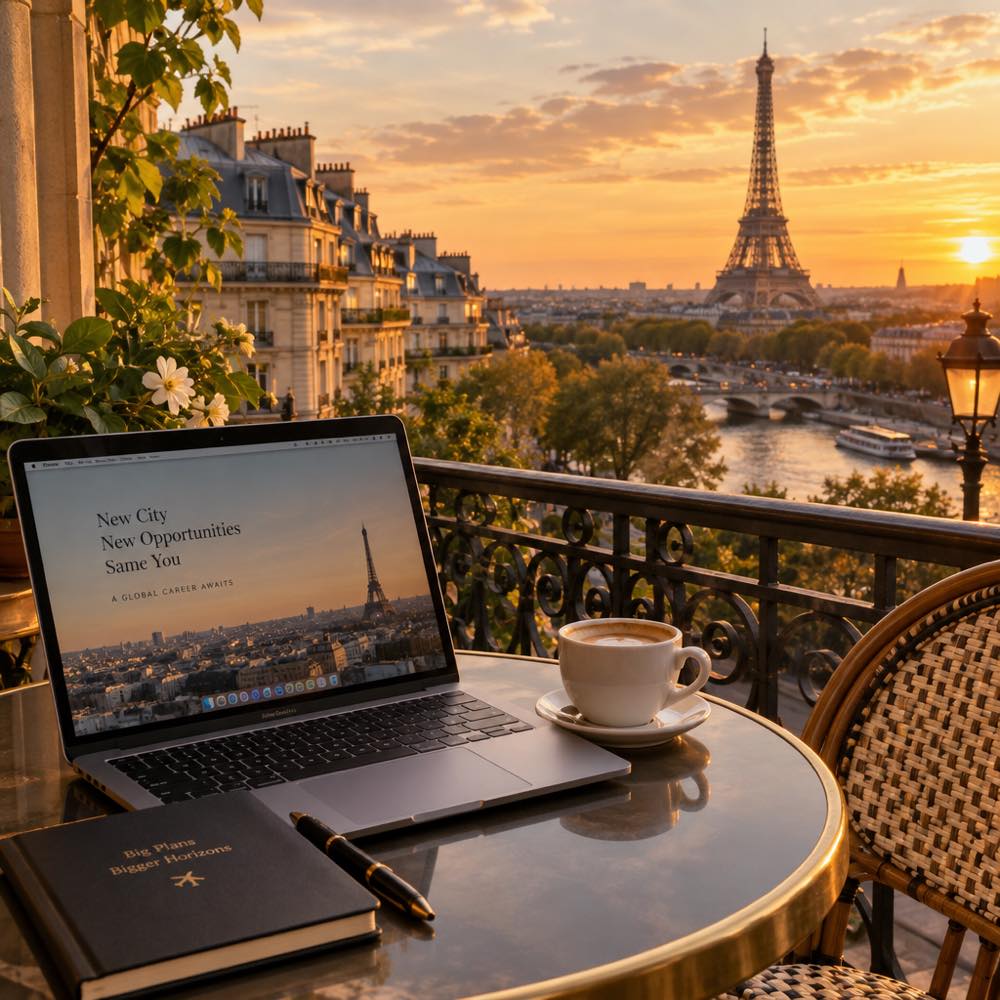
In the back half of the season, Da-reum is offered a career opportunity in Paris. Ha-gi initially struggles with the idea of her leaving and privately worries about what the distance will do to their relationship, but he realizes holding her back out of fear isn’t fair to her. He encourages her to take it. Da-reum accepts the assignment and spends several months in Paris while staying in a long-distance relationship with Ha-gi. It becomes an important step in her arc too: by the end, she’s built a career and identity of her own, rather than just being known as ‘Lee-chan’s longtime fan.’

Paris cityscape at golden hour with the Eiffel Tower, representing Da-reum's career move abroad in My Bias, My Boss

Do Da-reum and Ha-gi end up together?

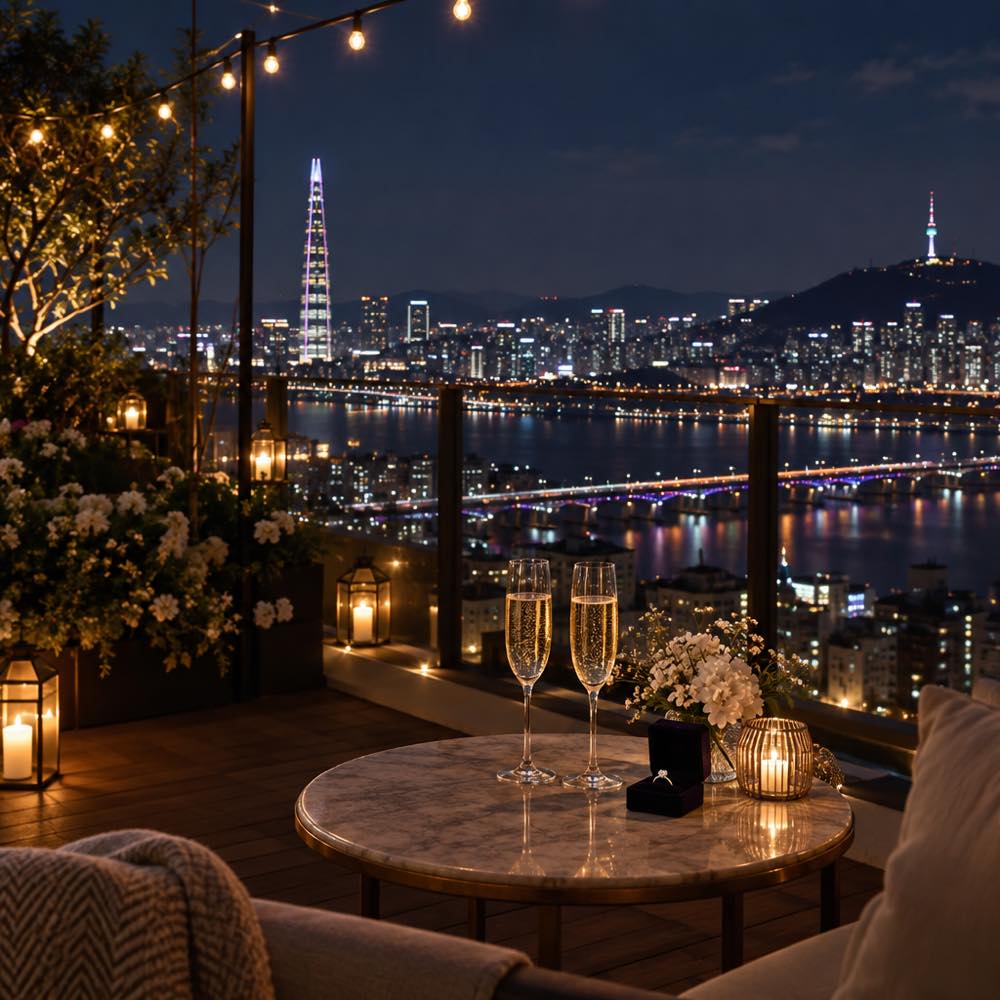
Yes. After Da-reum completes her Paris assignment, she returns to Korea and reunites with Ha-gi, proving her career ambitions didn’t have to come at the expense of the relationship. The finale completes Ha-gi’s arc too: instead of holding onto her out of fear of losing her, he learns to trust her and support her ambitions. He proposes, she accepts, and the two share a kiss. The finale doesn’t show a wedding, but the engagement gives the couple a clear, satisfying happy ending rather than another ambiguous reunion.

Romantic rooftop terrace overlooking Seoul at night, representing Ha-gi's proposal to Da-reum in the My Bias, My Boss finale

What happens to Lee-chan and DNX?

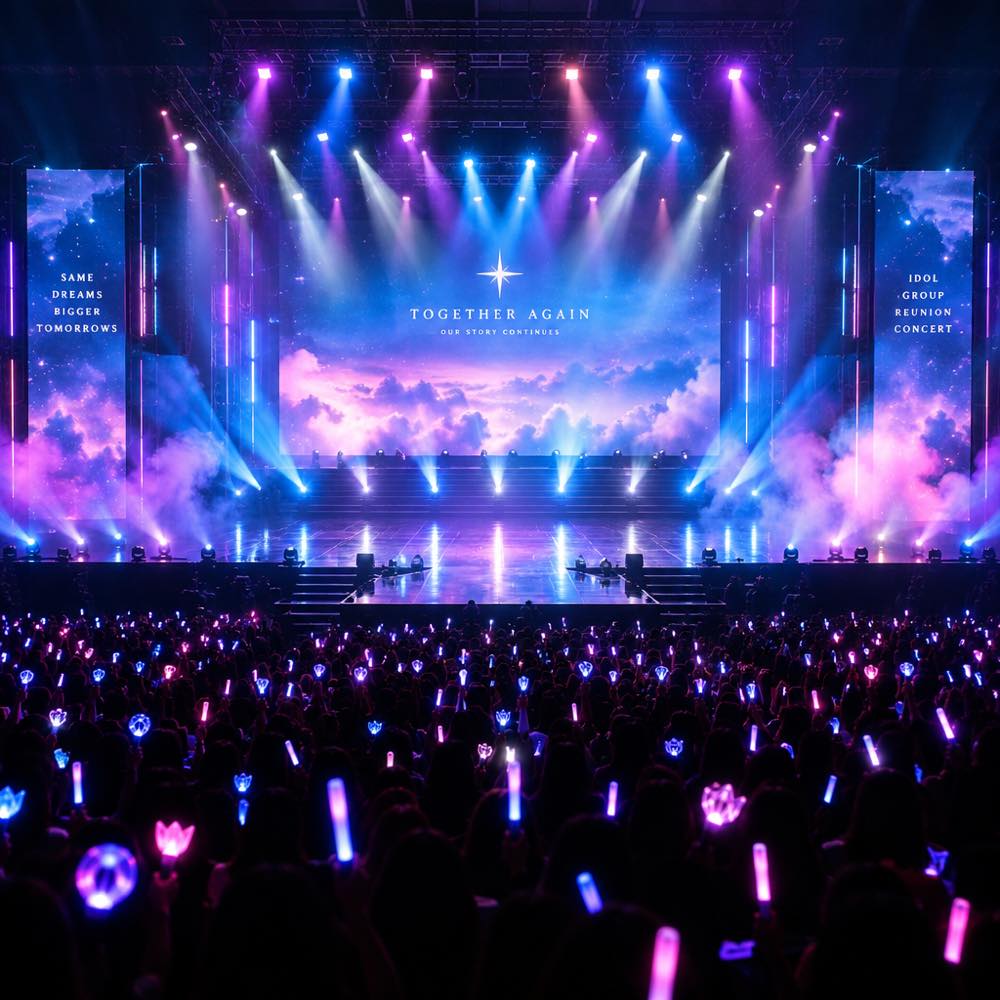
Lee-chan spends much of the back half of the show grappling with watching Da-reum’s feelings shift fully to Ha-gi. Once he accepts that she’s chosen his CEO, he redirects his focus to the thing that’s always been core to his identity: music. With Da-reum’s encouragement, he works to bring his disbanded idol group DNX back together. The finale pays this off with a full reunion concert after nine years apart, and Da-reum attends as an enthusiastic fan, in a nice full-circle moment: Lee-chan finds his way back to the stage, and Da-reum finds her own happy ending, both because they gave each other the courage to move forward.

K-pop concert stage with spotlights and crowd lightsticks, representing DNX's reunion concert in the My Bias, My Boss finale

What happens with the corporate espionage subplot?

The finale also resolves the show’s corporate thriller thread. Choi Sung-wook, an executive Ha-gi trusted completely, is revealed to have been secretly leaking Appello’s corporate secrets to rival company SE, a betrayal that shakes Ha-gi right before the finale. In the end, Sung-wook apologizes and admits he regrets acting as a spy. Crucially, it’s also revealed he never actually handed over Appello’s completed final proposal to SE. That last act of conscience is what allows Appello to recover and secure its collaboration with HAN, even though it doesn’t erase the betrayal itself.

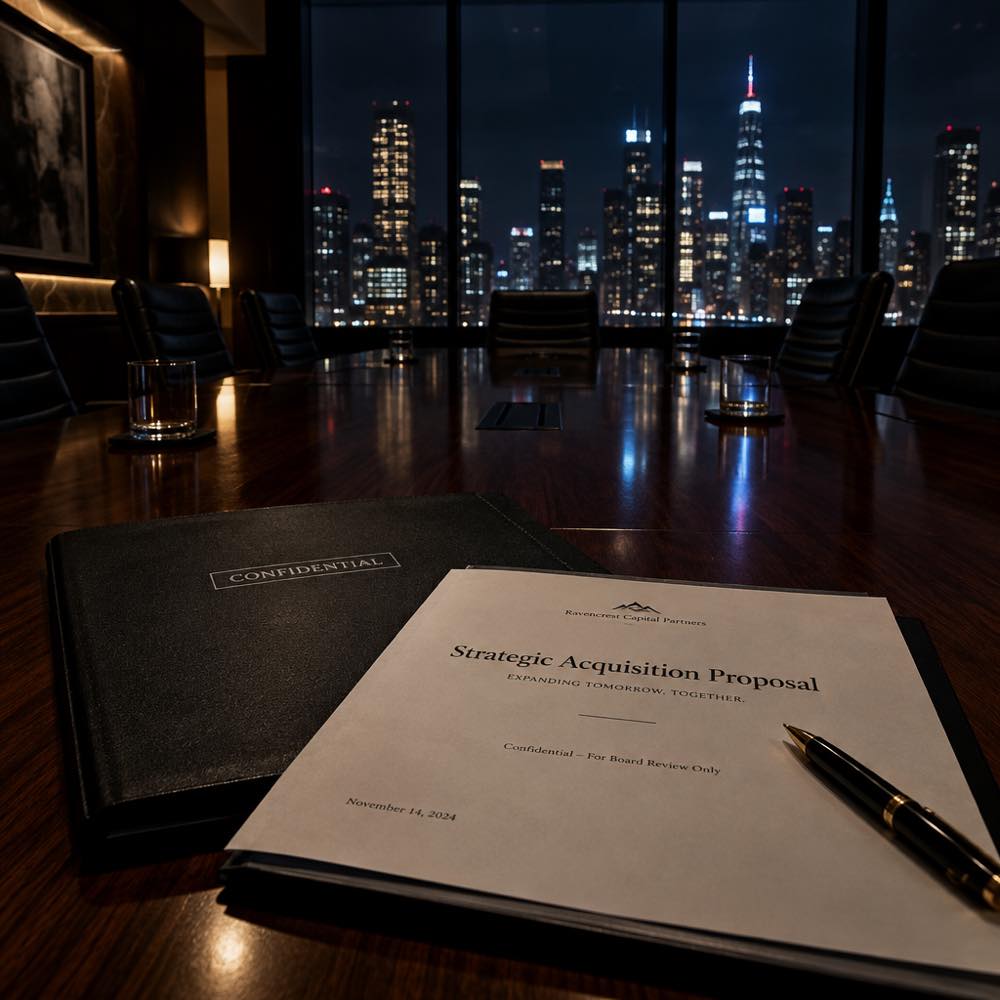
Confidential business proposal documents on a boardroom table, representing the corporate espionage subplot in My Bias, My Boss

Will there be a My Bias, My Boss season 2?

As of this writing, there’s no official confirmation of a second season. The finale wraps every major thread, Da-reum and Ha-gi’s engagement, DNX’s reunion, and Sung-wook’s redemption, cleanly enough that the show reads as a complete, self-contained story rather than one built for a sequel. My Bias, My Boss is based on the webtoon My Oppa Is an Idol and aired its full 12-episode run on tvN from August 3 to September 8, 2026.

My Bias, My Boss joins a long line of K-dramas that turn idol fandom into genuine workplace romance, and its ending gives every major character a resolution instead of leaving threads dangling for a sequel that may never come. If you want to dig deeper into the cast and production details, check the show’s official entry, and browse our About page to see what kinds of K-drama and K-pop stories KWaveDaily covers.

View My Bias, My Boss on Wikipedia

Read More on Our About Page